
Tonight, Toronto is forecast to drop to 3°C. Tomorrow the high is only 10°C. Later this week the temperature swings back up again. That swing is exactly why October is winter tire buying season in the GTA — and exactly why so many drivers buy the wrong set.
They wait for a warm afternoon, decide it does not feel like winter yet, then buy in a panic on the first cold morning. Or they buy on price alone, from a listing that never confirmed the size, the load index, or whether the tire is a true winter tire at all.
This is the complete buying checklist we use on driveways across Toronto, North York, Scarborough, Richmond Hill, Markham, Pickering, Ajax, Whitby, Oshawa and Bowmanville. Work through it in order and you will buy right the first time.
Step 1: Buy for the temperature, not the snowfall
Snow is not the signal. Temperature is.
A winter tire is built from a softer rubber compound that stays flexible in the cold. A summer or all-season compound gets harder as the temperature falls, and a harder tire grips less — on cold dry pavement, on wet pavement, and on ice. That change starts well before the first snowfall.
The working rule in Ontario is the 7°C rule: when sustained temperatures sit at or below about 7°C, winter tires are the right tire on the car. Overnight lows in the GTA are already there. If you want the full breakdown, read our guide on when to switch to winter tires in Ontario.
Buying now, while you can still choose, beats buying later from whatever happens to be left in your size.
Step 2: Confirm it is a true winter tire
Look for the three-peak mountain snowflake symbol on the sidewall. That symbol means the tire has met a snow traction standard. It is the mark that separates a dedicated winter tire from a tire that is merely labelled M+S.
M+S — mud and snow — is an older, looser designation based largely on the tread pattern. Plenty of all-season tires carry M+S and still use a compound that hardens in real cold. In a GTA winter, that difference shows up the first time you brake on a cold, wet ramp or try to pull away on packed snow at a side-street stop sign.
There is one honest exception. All-weather tires also carry the three-peak mountain snowflake symbol and stay on the car all year. For some lower-mileage drivers who do not want a second set, they can be a reasonable compromise. We compared the two directly in all-weather vs winter tires. But if you are buying a dedicated winter set, the snowflake symbol is non-negotiable.
Step 3: Get the size right — then search by size
Start with the information on your driver door placard and the sidewall of the tire on the car now: the full size, the load index, and the speed rating. Your winter set must meet or exceed the load and speed specification for your vehicle. Never go below it to save money.
Then search by tire size, not only by vehicle. Distributors and online catalogues tag products by vehicle inconsistently, and a vehicle search can miss winter tires that a size search finds. That is why our shop lets you search both ways — and why, on any site, you should cross-check by size before you decide a tire is unavailable.
If you are not sure how to read the numbers on the sidewall, start with how to read your tire size and load index. Five minutes there prevents the most common and most expensive buying mistake we see: a set that fits the bolt pattern conversation but not the car.
Step 4: Match the tire to how you actually drive
There is no single best winter tire for the whole GTA. There is a right type for your driving.
If most of your winter is plowed highways and main roads — the 401, the DVP, the Gardiner, Highway 404 — your hardest moments are usually cold wet pavement, slush, and patches of ice. Prioritise a winter tire known for ice and wet grip, and do not judge it by how aggressive the tread looks in a photo.
If you drive unplowed side streets, rural edges of Durham or York, cottage roads, or early-morning routes before the plows have run, deep-snow traction matters more. A more open winter tread pattern earns its keep there.
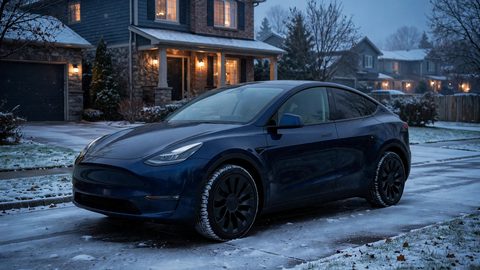
If you drive an EV, weight and torque change the conversation. Electric vehicles are heavy and deliver torque instantly, which works a winter tire harder. Look for the correct load rating — often an XL, extra load, tire in EV sizes — and a winter tire built to carry that weight without wearing fast. Our Tesla and EV tire service page covers how we spec those packages.
If you drive a truck or a three-row SUV, load rating matters again, and so does honesty about towing and hauling in winter. Buy the tire for the load you actually carry, not the load you carry in July.
Step 5: Decide on rims before you price the tires
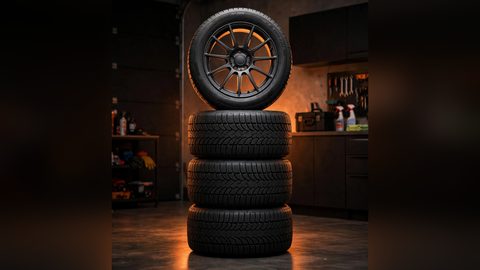
A winter set can go on your existing wheels, swapped back and forth each season, or on its own dedicated set of rims. The dedicated set costs more up front and usually makes each changeover faster, simpler, and easier on both sets of tires and wheels.
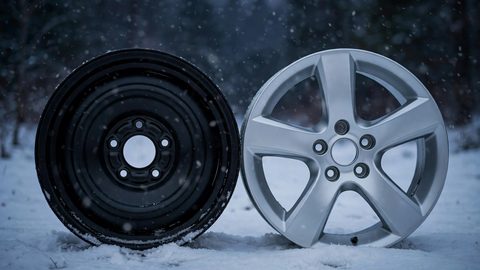
Which rim material is right is a fitment question first and a price question second. We broke that down in detail in steel vs alloy winter rims in Toronto — including the vehicles where a steel rim simply does not clear the brakes or carry the load.
Complete packages are on our winter tire packages page. Every tire and wheel package from Sparky X includes free mobile installation at your home or workplace, and Tesla packages include pre-programmed Bluetooth TPMS sensors.
Step 6: Sort out TPMS before the install day
Your winter set needs a tire pressure monitoring plan. On many vehicles that means sensors in the winter wheels. On others it means a system that reads pressure indirectly and needs to be reset correctly at changeover.
Do not leave this to install day. A TPMS light that comes on a week after your changeover is usually a planning problem, not bad luck. If your light is already on in this cold weather, read what a TPMS light in cold weather actually means before you assume you have a puncture.
Ask whoever sells you the set, in plain language: what happens with my tire pressure monitoring when the winter set goes on? If the answer is vague, the package is not finished.
Step 7: Check rebates, insurance, and the total price
Fall is rebate season. Manufacturer rebates on a set of four winter tires run through the fall buying window, and the claim almost always needs your invoice and proof the set qualifies. Check the current offers on our tire rebates page and on promos before you buy, not after — a rebate you miss by a few days or by buying the wrong quantity does not come back.
Also ask your insurer about a winter tire discount. Ontario insurers offer discounts for using winter tires, and each insurer sets its own amount and its own proof requirements. A quick call tells you what yours needs — often just the install invoice and the dates the winters are on the car.
Finally, compare total prices, not tire prices. A cheap tire quote that still needs mounting, balancing, sensors, hardware, and installation is not the same number as a complete package quote. Packages from us include free mobile installation. If you buy tires on their own and want them installed in your driveway, that service is priced on our services page and at booking — compare like for like before you call one option cheaper than another.
What to avoid
Avoid a set with no three-peak mountain snowflake symbol being sold to you as a winter tire for Ontario. Avoid any tire or wheel with a load rating below your vehicle specification. Avoid studded tires as a GTA plan — studs are restricted in southern Ontario and are not the answer for Toronto driving. And avoid a used winter set with unknown age, uneven wear, or tread worn close to the wear bars; a worn winter tire has already given up the grip you are paying for. Our answers to common questions are also collected on the FAQs page.
Frequently Asked Questions
When should I buy winter tires in Toronto? Buy when overnight and daytime temperatures are heading toward the 7°C range — in the GTA that is October into early November in most years. Buying then means full size choice and rebate eligibility. Waiting for the first snowfall means buying from remaining stock while every shop in the city is booked.
Do I need the three-peak mountain snowflake symbol? For a dedicated winter tire in Ontario, yes. That symbol means the tire met a snow traction standard and uses a winter compound. An M+S marking alone, on an all-season tire, is not the same thing in cold weather.
Can I buy a smaller winter tire size than my summer tires? Sometimes. A smaller diameter with a taller sidewall can be legitimate if the wheel still clears your brakes, the load rating still meets specification, and the overall diameter stays correct. It is trim-specific and should be verified for your exact vehicle before you order — never copied from a forum post about a different trim.
Do winter tires help if there is no snow? Yes. The winter compound stays flexible on cold dry and cold wet pavement, where a summer or all-season compound hardens and grips less. Most GTA winter driving is on cleared roads in the cold, not in deep snow — that is exactly the driving a winter tire is built for.
Book your winter tires or package
Confirm the size, the load rating, the symbol, and the TPMS plan. Then get the date booked before the first cold snap books out the calendar.
Book online: sparkyx.ca/book
Call or text: (647) 819-0490
Sparky X Mobile Tire Shop — fully mobile across the GTA and Durham. Our office is at 60 Hoile Drive in Ajax; all service happens at your home or workplace. We come to you.