
Look at the clock on a Toronto school morning this week. Sunrise on Sunday, November 8 is 7:02 a.m. and sunset is 4:58 p.m. — which means the morning school run leaves in the dark and the pickup run comes home in it. And the mild stretch covering that darkness is about to end: Monday sits near 10°C, Tuesday spikes briefly into the mid-teens, and then Thursday, November 12 drops to a high of about 6°C with rain and snow showers, and Friday is colder still with snow changing to rain. The first wintry school mornings of the season land this week, on the shortest, most familiar drive most families make.
That familiarity is the trap. The school run feels like the safest drive of the day — five or ten minutes, low speeds, streets you could drive blindfolded. In winter terms it is close to the opposite: the coldest start of the day, on the last streets to be cleared, in the dark, surrounded by the most unpredictable pedestrians on the road. Here is how to get the family car ready for it before Thursday.
The school run is the coldest drive of the day
Forecast highs are afternoon numbers. At 7:30 in the morning, when the school run actually happens, temperatures sit near the overnight low — several degrees colder than the headline high, and already at or below the point where tire rubber changes character. Even on Tuesday, when the afternoon could touch 14 to 16°C, the morning run starts cold. Do not let one mild afternoon talk you out of a cold-morning decision.
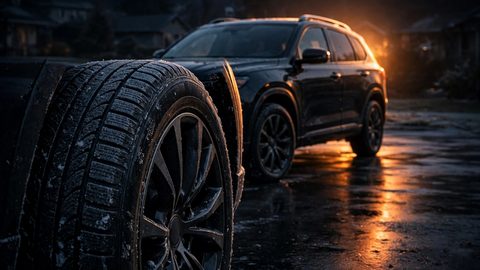
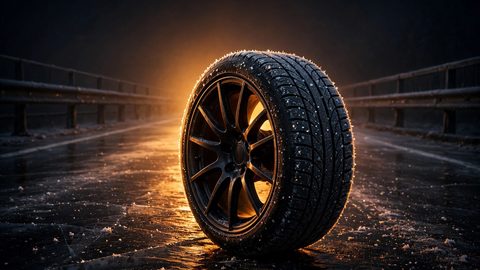
That point is 7°C. Transport Canada is direct about it: below about 7°C, all-season and summer tires lose elasticity and traction, while winter tires are made from a softer compound that stays flexible in the cold. A short trip makes it worse, not better. The family car starts cold in the driveway, drives ten minutes, and parks cold again — the tires never get a long highway run to build any warmth. Every school run is a cold-tire drive, twice a day, all winter.
Then there is the route itself. Toronto clears its roads in priority order — expressways first, arterials next, residential streets last — so the streets around a school, and the street you live on, are the final ones plowed and salted, as we covered in our first snow commute guide. The school run is driven almost entirely on the last-cleared surfaces in the city.
Low speed does not fix low grip
Parents reason that school-zone speeds are so low that tires hardly matter. The physics disagrees. Nearly every school-run stop is a full stop from neighbourhood speed — at a crossing, a stop sign, a crossing guard’s sign, or for a child who steps off a curb without looking. Those stops are decided entirely by grip, and grip is exactly what a stiffened all-season tire gives up below 7°C.
The Tire and Rubber Association of Canada puts it plainly: winter tires can shorten braking distances by as much as 25 per cent compared with all-season tires in winter conditions. At school-run speeds that difference is measured in a few metres — which is the whole ballgame when the thing you are stopping for is eight years old and chasing a friend. Winter tires on all four wheels, not just the driven axle, and look for the three-peak mountain snowflake symbol on the sidewall: it marks a tire that meets a severe snow traction standard.
Tread matters at low speed too. Winter tires need depth to bite through slush and packed snow on uncleared residential streets. Plan to replace a winter set as it approaches 4 mm of tread — the toonie test gives a quick first read, and our guide to how long winter tires last covers the age side of the same decision.
Both ends of the school day are dark now
With a 7:02 a.m. sunrise and a 4:58 p.m. sunset, most GTA families now do the school run in twilight or full dark at both ends — the same shift we flagged for the evening commute in our clock-change family safety guide. Darkness changes the school run in two specific ways. Your kids are harder for other drivers to see, in dark winter coats, between parked cars. And your own view out is only as good as your glass, lights and washer fluid.
So the visibility routine is not optional winter garnish. Clear the whole car before anyone gets in — every window, the mirrors, the lights and the roof. Run your full headlights on the school run even when the streetlights make it feel unnecessary; they are how other drivers and crossing guards see you. Keep the washer reservoir topped with winter-rated fluid, because Thursday’s rain-and-snow mix on salted roads is exactly the recipe for a smeared, opaque windshield at the worst moment.
The coat goes over the harness, not under it
One family-specific check has nothing to do with tires and everything to do with a safe stop. Transport Canada warns that bulky winter coats and snowsuits may not work well with a child’s car seat: the puffy layers compress in a hard stop, which can leave the harness looser than it felt when you buckled it in the driveway. Follow the instructions in your child seat manual for proper use.
The working routine is simple. Buckle the child in with the harness snug against the body, without the bulky coat in between, then lay the coat or a blanket over the top for warmth. It takes one extra minute in the driveway, and it is the difference between a harness that fits and a harness that only looks like it fits.
The 10-minute Sunday check for the family car
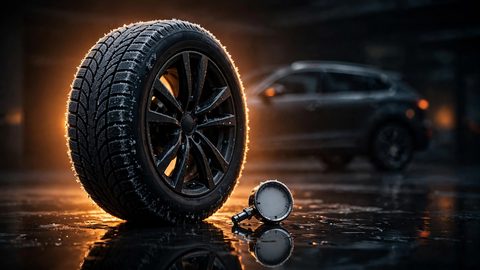
None of this needs a shop visit to verify. Ten minutes in the driveway today covers it. Check tire pressures cold, before driving, and set them to the driver’s door placard — not the number moulded into the tire sidewall. Pressure falls by roughly 1 psi for every 5°C drop in temperature, so a set checked during the October mild spell is likely running low now; our cold-weather TPMS guide explains the dashboard light that follows. If the winter set just went on, remember the wheels need a re-torque after the first 50 to 100 km.
Then walk the car once: tread honestly at or above the 4 mm winter working minimum, no cracks or bulges, no one worn-out tire hiding in the set. Headlights, brake lights and signals all working. Wipers clearing without streaks, washer fluid full. That is the whole list — and Sunday, while it is still mild and dry, is the day to do it rather than Thursday morning in falling snow.
Thursday is the deadline, not the reminder
The week’s shape is a gift if you use it: three mild days, then the drop. Thursday’s high near 6°C with wintry showers and Friday’s colder snow-to-rain mix are the first school mornings that will test winter rubber, dark visibility and uncleared side streets all at once. Every family that waits for that forecast to become weather will be booking on the same two days.
If the family car still needs its winter set, sort it during the mild window. Shop by size in the tire and wheel shop, and complete tire and wheel packages include free mobile installation at your home — Tesla packages include pre-programmed Bluetooth TPMS sensors. Current manufacturer offers are listed on tire rebates. The swap happens in your driveway between school runs, not in a waiting room with the kids.
Frequently Asked Questions
Do winter tires really matter at school-zone speeds?
Yes. School-run stops are full stops from low speed at crossings and stop signs, and they are decided by grip alone. Below 7°C all-season rubber stiffens and loses traction, while winter tires stay flexible — the Tire and Rubber Association of Canada says winter tires can shorten braking distances by as much as 25 per cent in winter conditions. At low speed that is a few metres, which is exactly the margin that matters.
When should the family car switch to winter tires this year?
Now. School-run mornings are already starting at or below 7°C even when afternoons turn mild, and the forecast drops to a high near 6°C on Thursday, November 12 with wintry showers, then colder on Friday. Switch on the morning temperature your family actually drives in, not on the afternoon high and not on the first snowfall.
Should kids wear bulky winter coats in their car seats?
Transport Canada warns that bulky winter coats and snowsuits may not work well with a child car seat, because the layers can keep the harness from fitting snugly. Follow your child seat manual for proper use: buckle the harness snug against the child’s body first, then put the coat or a blanket over the top for warmth.
How often should I check tire pressure in winter?
At least once a month, and always cold — before driving — set to the pressure on the driver’s door placard. Pressure falls by roughly 1 psi for every 5°C drop in temperature, so a set filled during a mild October week can be running low by the first cold school mornings in November. A TPMS warning light on a cold morning is usually that pressure drop announcing itself.
The bottom line
The school run is short, slow and familiar, and in November it is also cold, dark and driven on the last-cleared streets in the GTA — with your kids in the car and other people’s kids at every crossing. This week hands you the setup in order: a mild Sunday to run the ten-minute check, three mild days to make the switch, and the season’s first wintry school mornings on Thursday and Friday. Tires first, harness snug, glass and lights clear. That is the whole job.
Need the winter set on before Thursday? See how mobile tire service works, read the FAQs, and Tesla families can start on the Tesla and EV tire service page.
Book online: sparkyx.ca/book
Call or text: (647) 819-0490
Sparky X Mobile Tire Shop — fully mobile across Toronto, the GTA, Durham and York. Our office is at 60 Hoile Drive in Ajax; all service happens at your home or workplace. We come to you.