
Tire Warranties Explained: What’s Covered & What Causes Tire Wear Issues?
When you buy a new set of tires, it often comes with a manufacturer warranty. But what exactly do these warranties cover—and what common tire wear patterns might void them? Let’s break it down.
Types of Tire Warranties (What Most Tiremakers Cover)
Mileage/Treadwear Warranty: Most tire brands offer mileage warranties ranging from 40,000 km to 130,000 km depending on the model. If your tire wears out before reaching the promised mileage (and if wear is even), you may get a pro-rated credit toward a replacement.
Defect/Workmanship Warranty: Covers material defects and manufacturing issues. If your tire develops bubbles, cracking, or separation due to a production flaw—not road damage—you may qualify for a free or discounted replacement.
Road Hazard Warranty (Optional or Brand-Specific): Some brands (or retailers) offer protection against pothole or nail damage, but this is not standard on all tires. Often, this requires you to buy additional coverage.
Uniformity Warranty: Short-term coverage (usually the first year or 2/32” of tread) for issues like excessive vibration due to tire imbalance from the factory.
🚫 What’s NOT Covered by Tire Warranties?
Uneven wear from poor alignment or improper inflation
Damage from curb hits, road hazards, or accidents
Improper tire use (wrong vehicle type, racing, off-road abuse)
Tires worn below 1.5 mm tread depth (Ontario’s legal limit)
Common Tire Wear Patterns & Their Causes
Understanding tire wear can save you money—and keep your tires under warranty.
1. Center Wear
Cause: Over-inflation
When a tire is pumped beyond its recommended PSI, the center bulges outward, wearing faster than the edges.
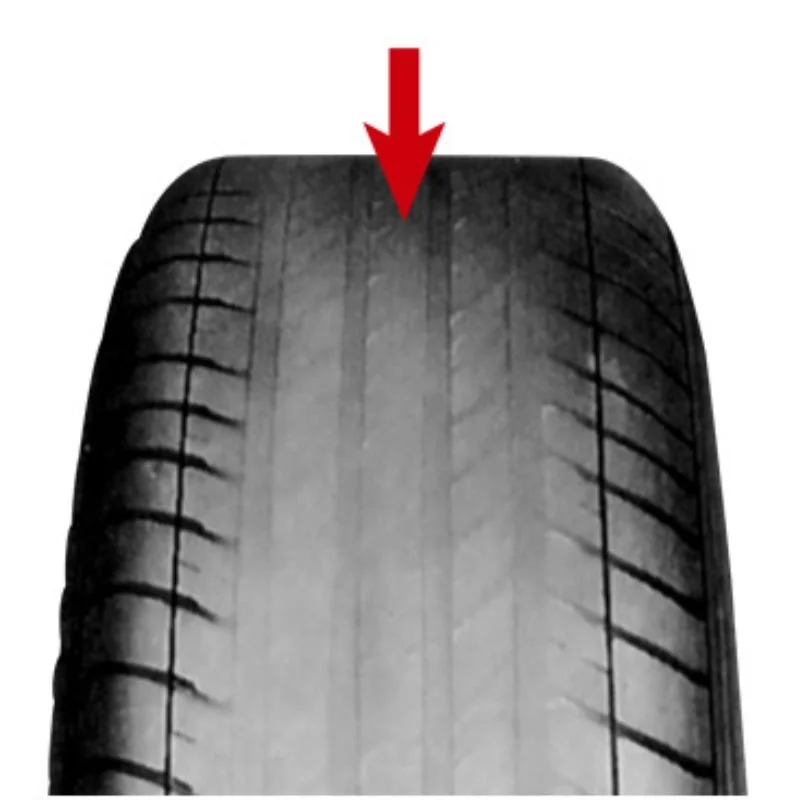
Tire Center Wear Condition of damage
The center of tread wearing faster than the shoulders
Causes
Overinflation
Improper matching of tires and rims
Tires are not rotated timely
Recommendations
Use tires under the recommended air pressure
Use proper rims
Rotate tires timely before center wear becomes serious.
2. Shoulder Wear (Both Edges)
Cause: Under-inflation
Low tire pressure causes the tire's outer shoulders to make excessive road contact, wearing faster than the center.
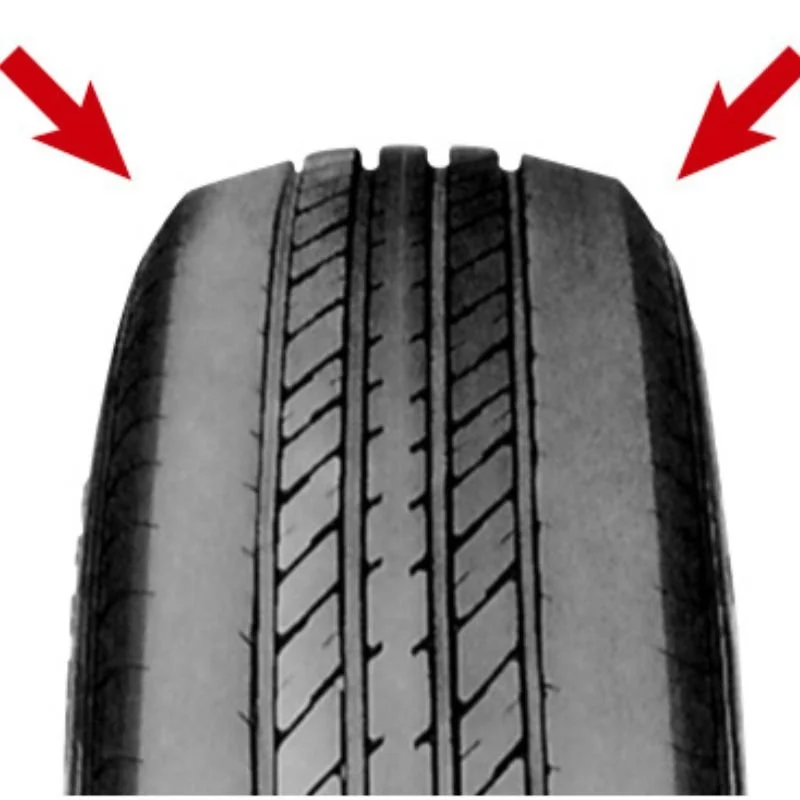
Tire Shoulder Wear (both Edges) Condition of damage
Both shoulders wearing faster than the center tread
Causes
Underinflation and / or overload
Repeated sharp turns at a high speed in cornering
Improper matching of tires and rims
Tires are not rotated timely
Recommendations
Use tires under the recommended maximum air pressure
Avoid rough driving in cornering
Use proper rims and mount tires properly
Rotate tires timely before shoulder wear becomes serious
3. One-Sided Shoulder Wear
Cause: Poor wheel alignment (usually camber or toe issues)
The vehicle’s suspension may tilt the tire, forcing one edge to rub harder against the road.
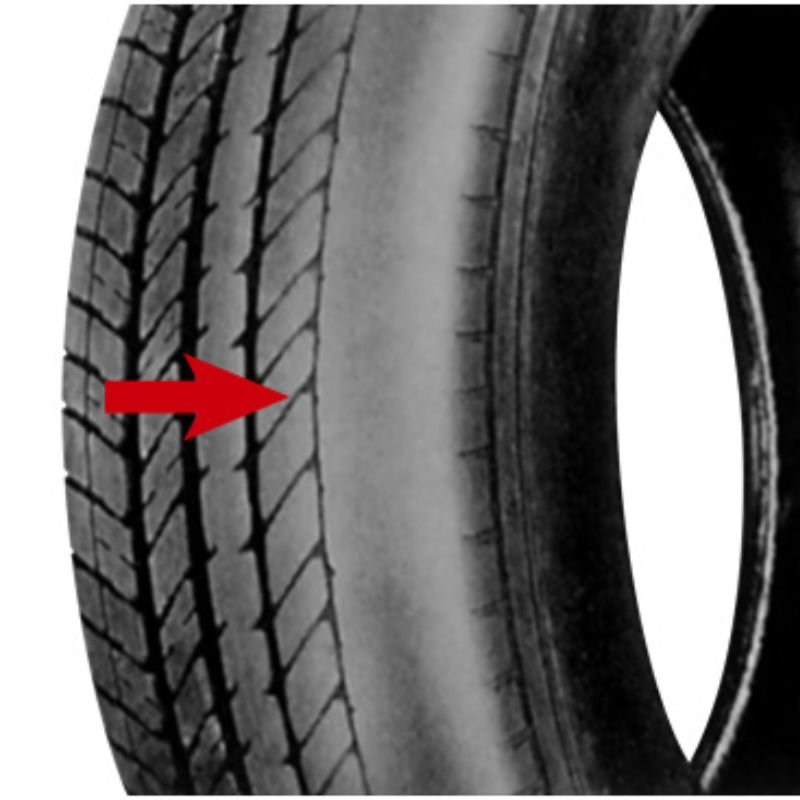
Tire One Sided Shoulder Wear Condition of Damage
One side of tread wearing unusually fast
Causes
Improper wheel alignment (especially faulty camber)
Overload
Frequent use on high crown roads
Recommendations
Adjust wheel alignment correctly
Rotate tires timely before one-sided wear becomes serious
Avoid overload
Remount tires conversely
4. Diagonal (Patchy) Wear
Cause: Misaligned suspension or worn suspension parts
Tires develop uneven diagonal wear spots—common on rear tires if alignment is off.
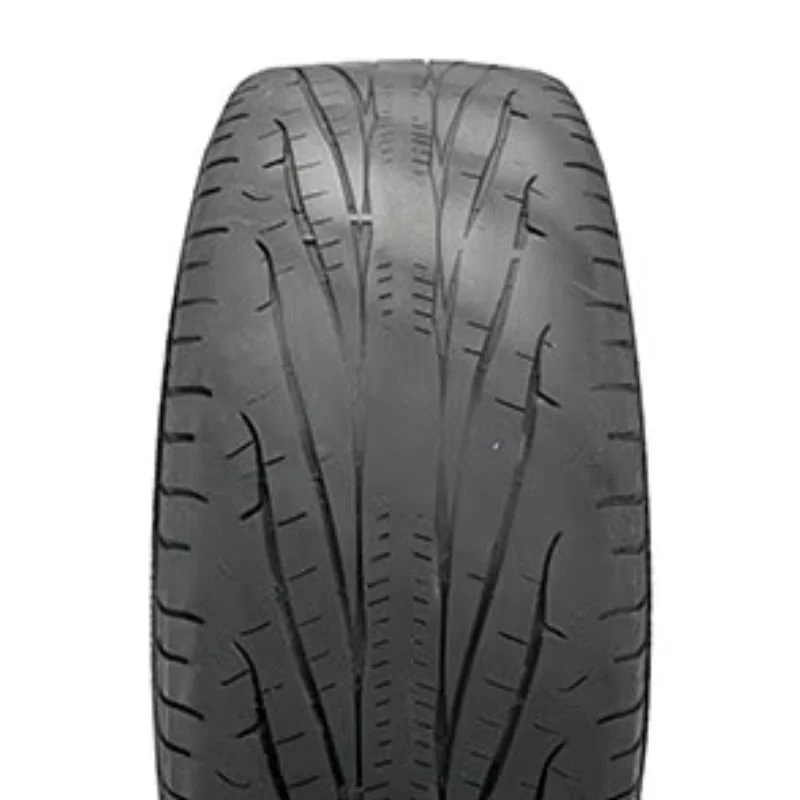
Tire Diagonal Wear Condition of Damage
Improper tire rotation practice
Vehicle misalignment
Loose or worn suspension components
Progressing from brake lock / skid
5. Heel & Toe Wear (Cupping)
Cause: Worn shocks, struts, or bushings; improper rotation
Tread blocks wear unevenly front-to-back, causing a "sawtooth" or "scalloped" feel when you run your hand across the tire.
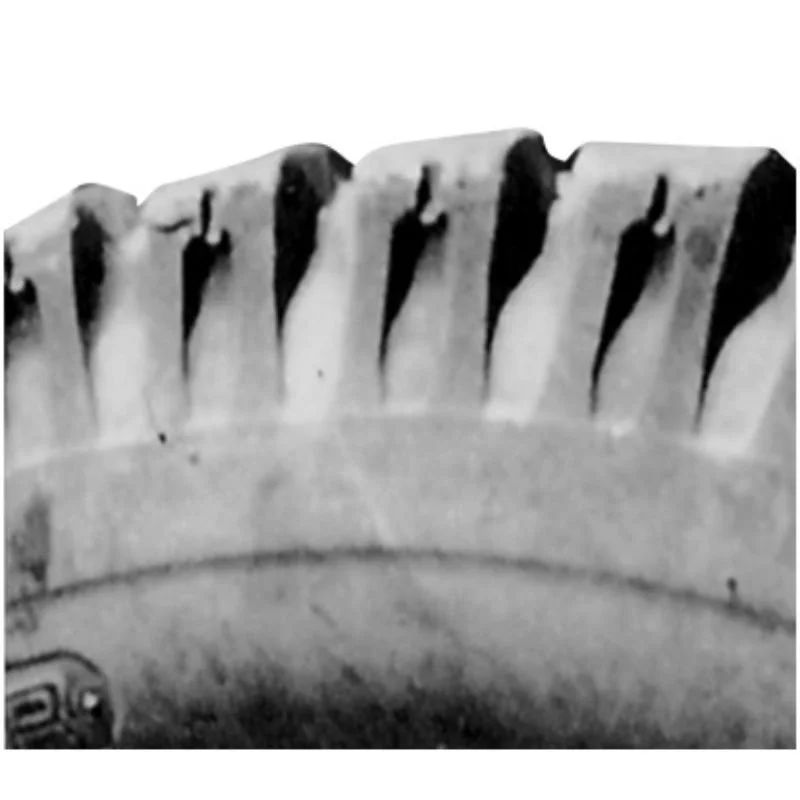
Tire Heal and Toe Wear Condition of Damage
One side of the blocks and / or lugs on the tread wearing faster than the other side circumferentially like saw teeth
Causes
Tires are not rotated timely
Underinflation and / or overload
Sudden braking or rapid acceleration
Recommendations
Rotate tires timely before heel & toe wear becomes serious
Use tire under proper air pressure and load
Avoid rough driving
6. Feather Edge Wear
Cause: Incorrect toe setting (alignment issue)
One side of each tread block wears more than the other, feeling sharp in one direction and smooth in the other when touched.
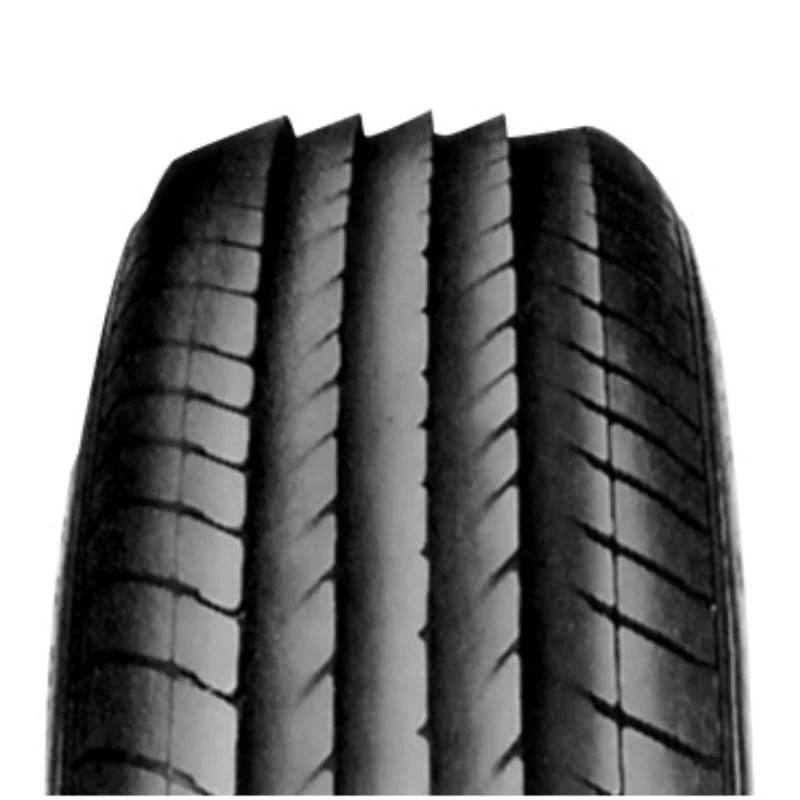
Tire Feather Edge Wear Condition of Damage
The blocks or the ribs of tread wearing in a feather edge pattern
Causes
Improper wheel alignment (especially faulty toe-in)
Bent axle beam
Recommendations
Adjust wheel alignment correctly
Adjust mechanical faults correctly
🔧 How to Avoid Premature Tire Wear:
✔️ Check tire pressure monthly
✔️ Rotate tires every 8,000–10,000 km
✔️ Get wheel alignments yearly or after hitting potholes
✔️ Inspect suspension parts regularly
✔️ Avoid overloading your vehicle
✅ Final Tip: Tire Wear Can Void Your Warranty
If your tires show uneven wear caused by poor maintenance (like misalignment or wrong pressure), the tire manufacturer may deny warranty claims—even if the tread is below the mileage warranty. Always follow recommended care to protect your tire investment.
💡 Need a Tire Inspection or Warranty Help?
Sparky X Mobile Tire Shop offers free tire wear checks, mobile tire service, and warranty advice across Toronto, Durham, and York Region. Book your service today—we come to you!
