 Image 1 of 4
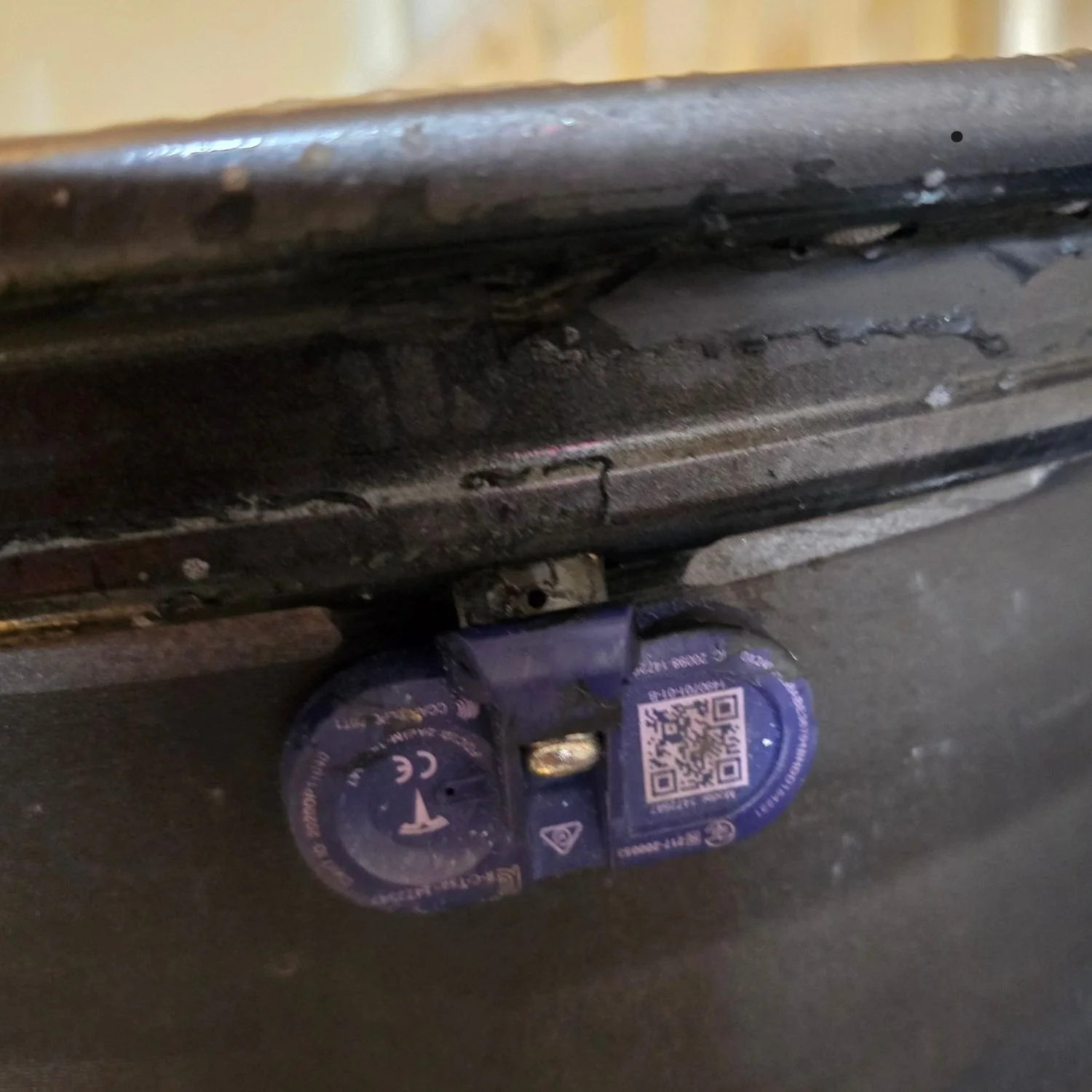 Image 2 of 4
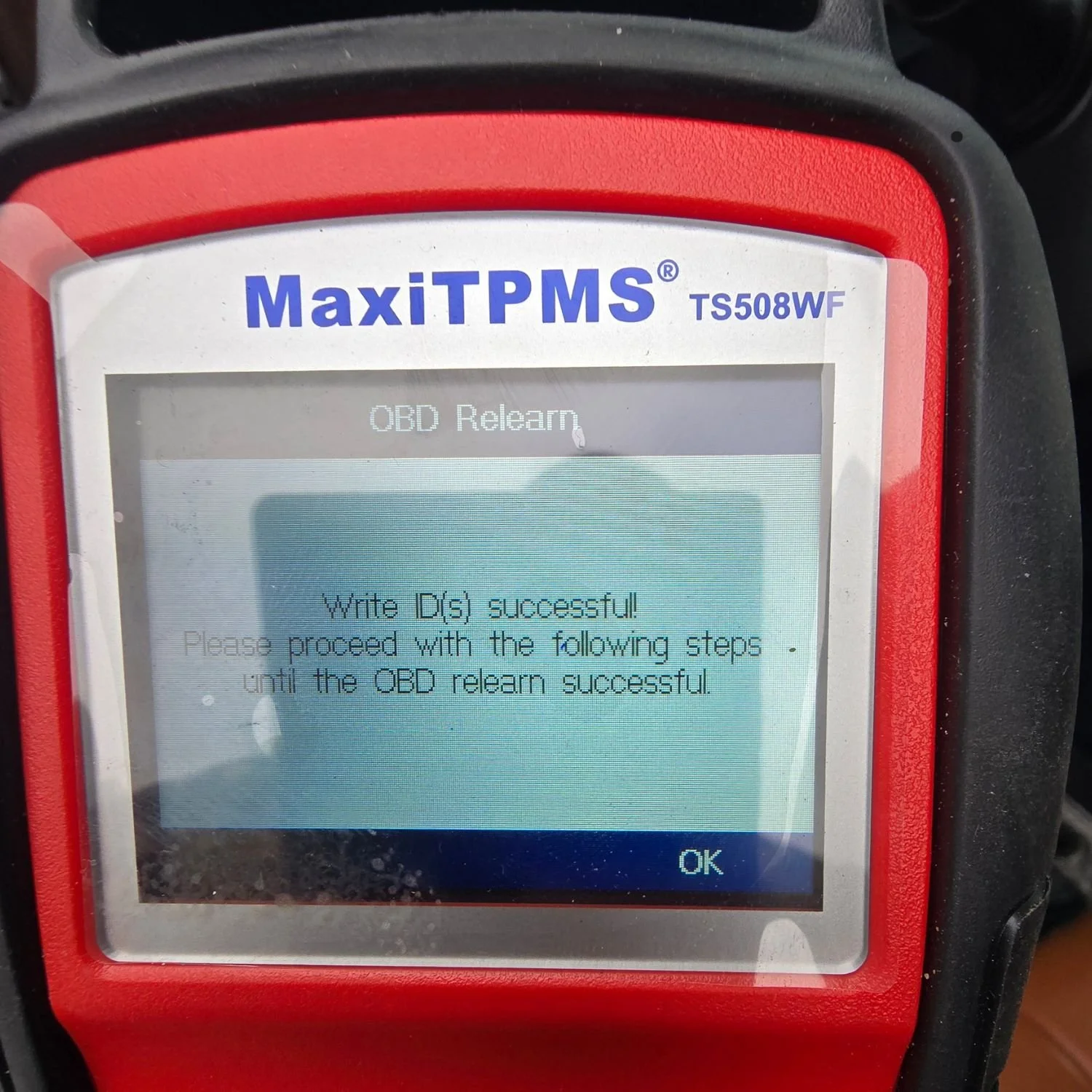 Image 3 of 4
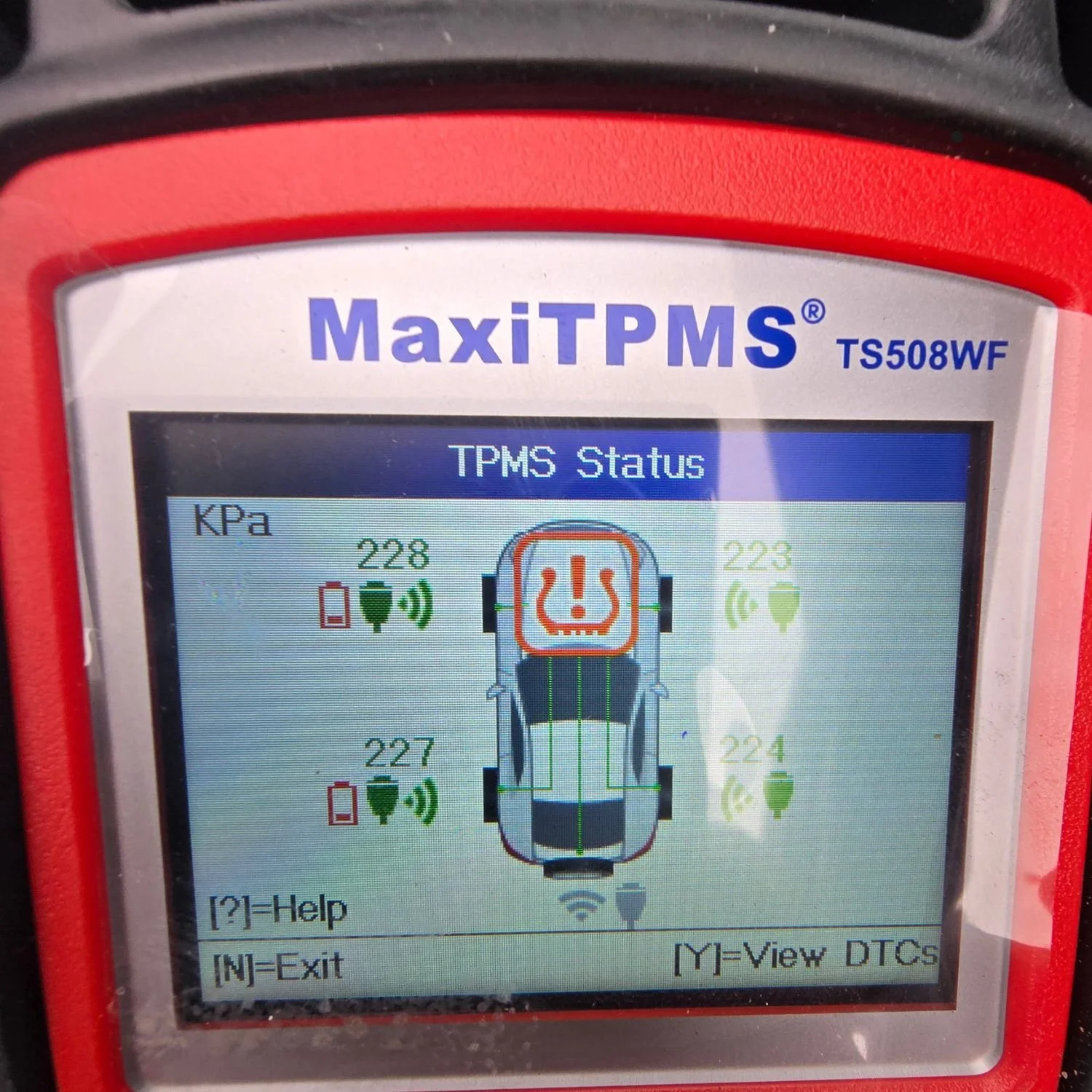 Image 4 of 4
When your vehicle's dashboard illuminates the yellow Tire Pressure Monitoring System (TPMS) warning indicator, it signals a critical breakdown in your vehicle's safety loop. A malfunctioning TPMS system does more than just present an annoying dashboard light; it prevents your vehicle's safety computers from accurately tracking tire inflation drops, leading to accelerated shoulder wear, reduced fuel or battery range, and an elevated risk of high-speed blowouts.
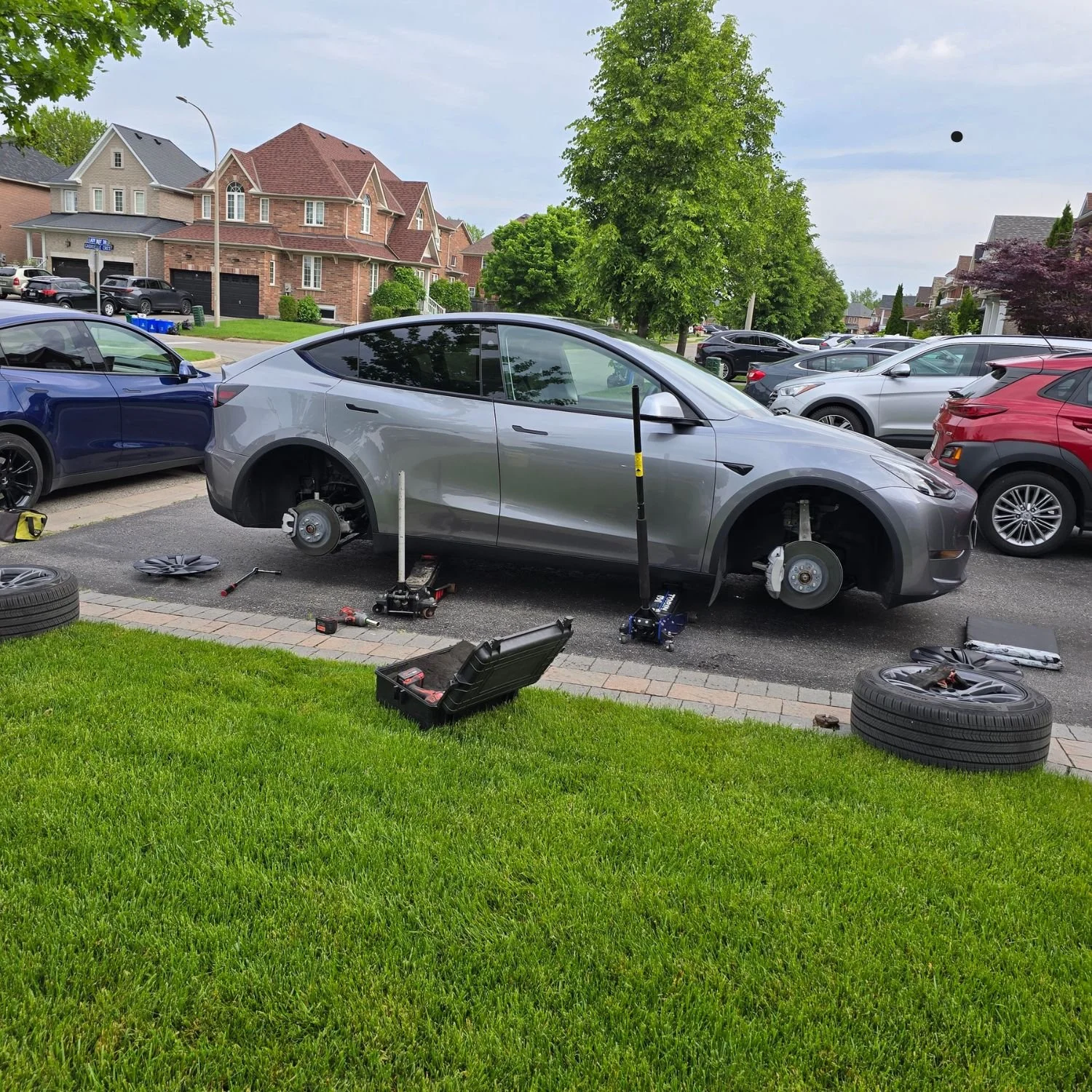
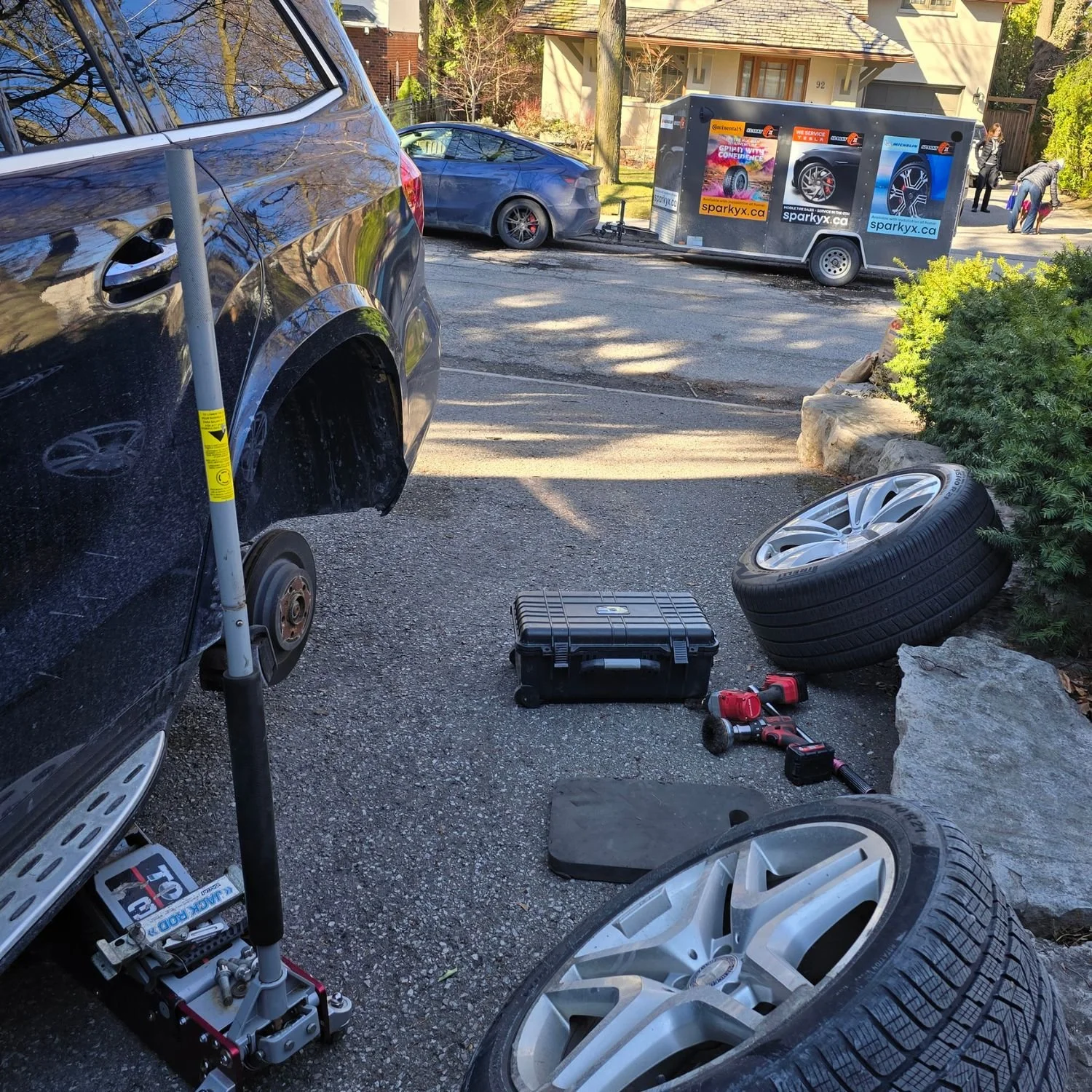
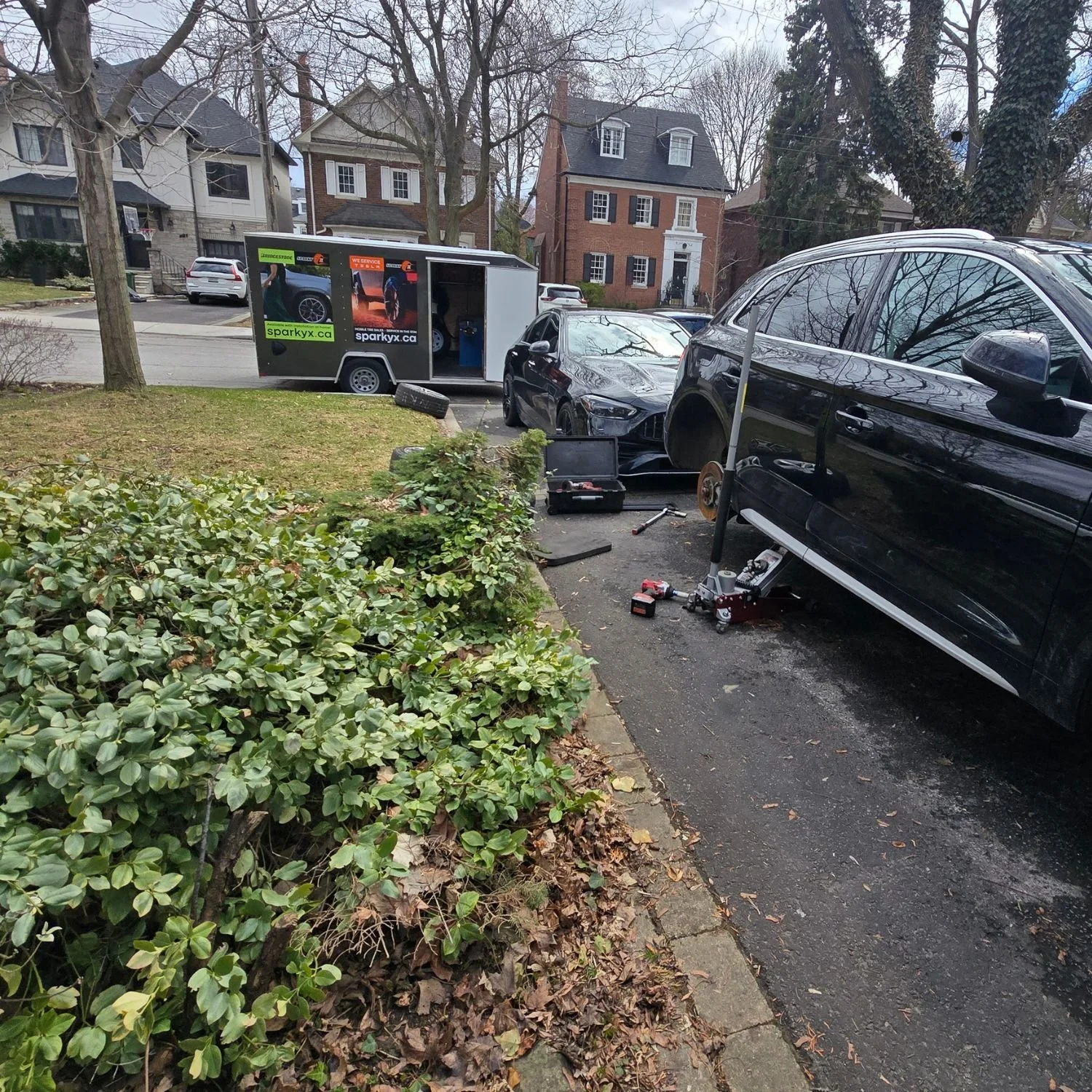
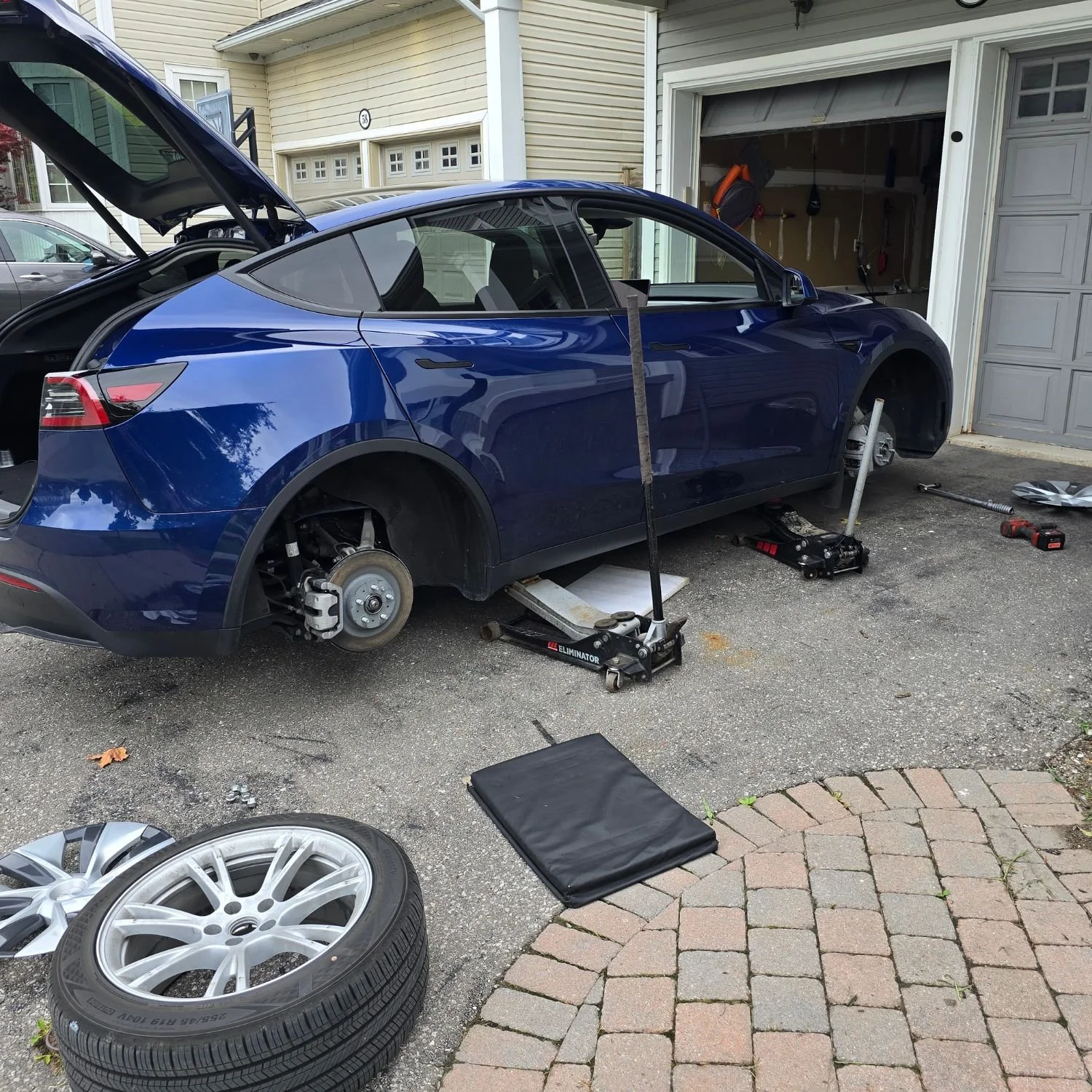
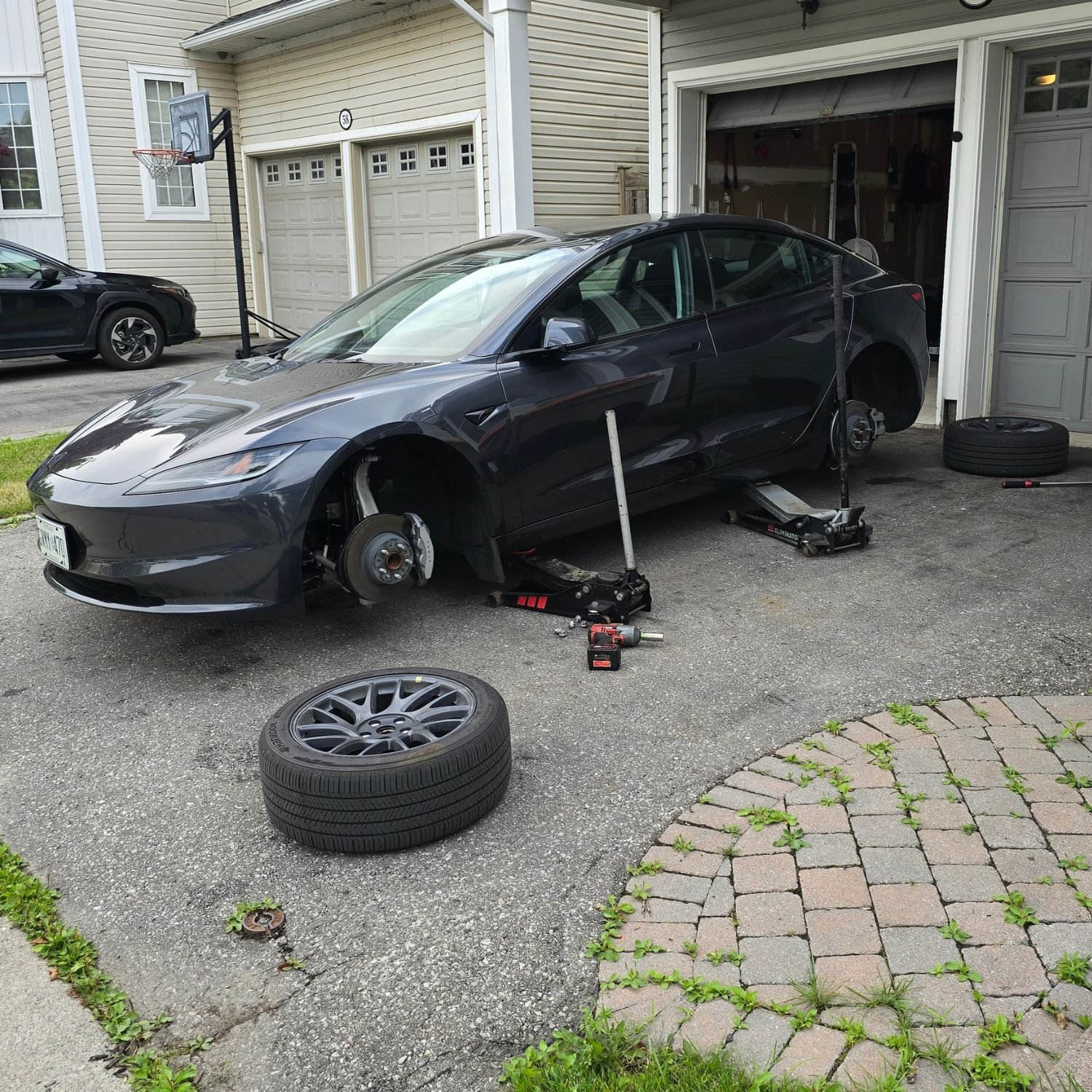
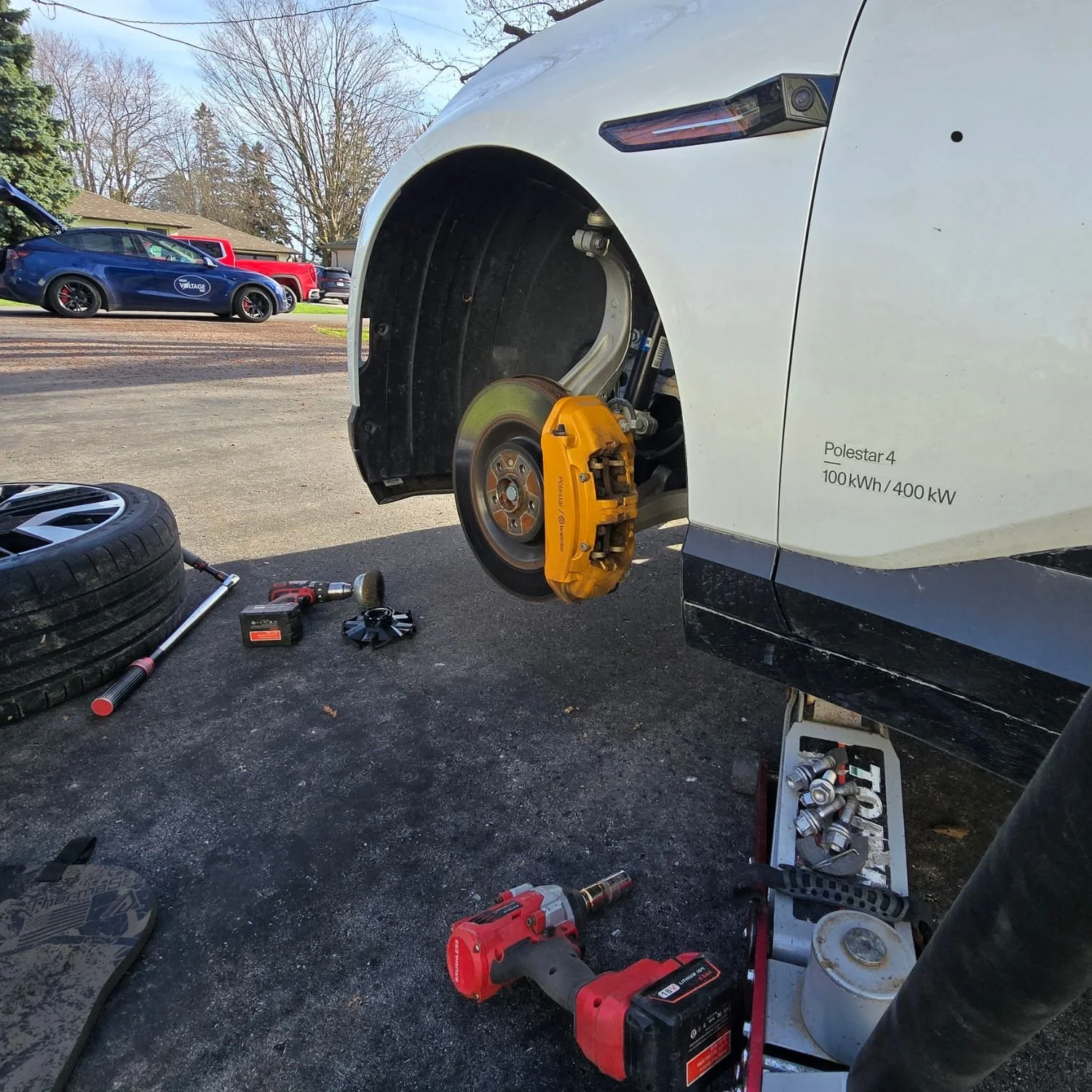
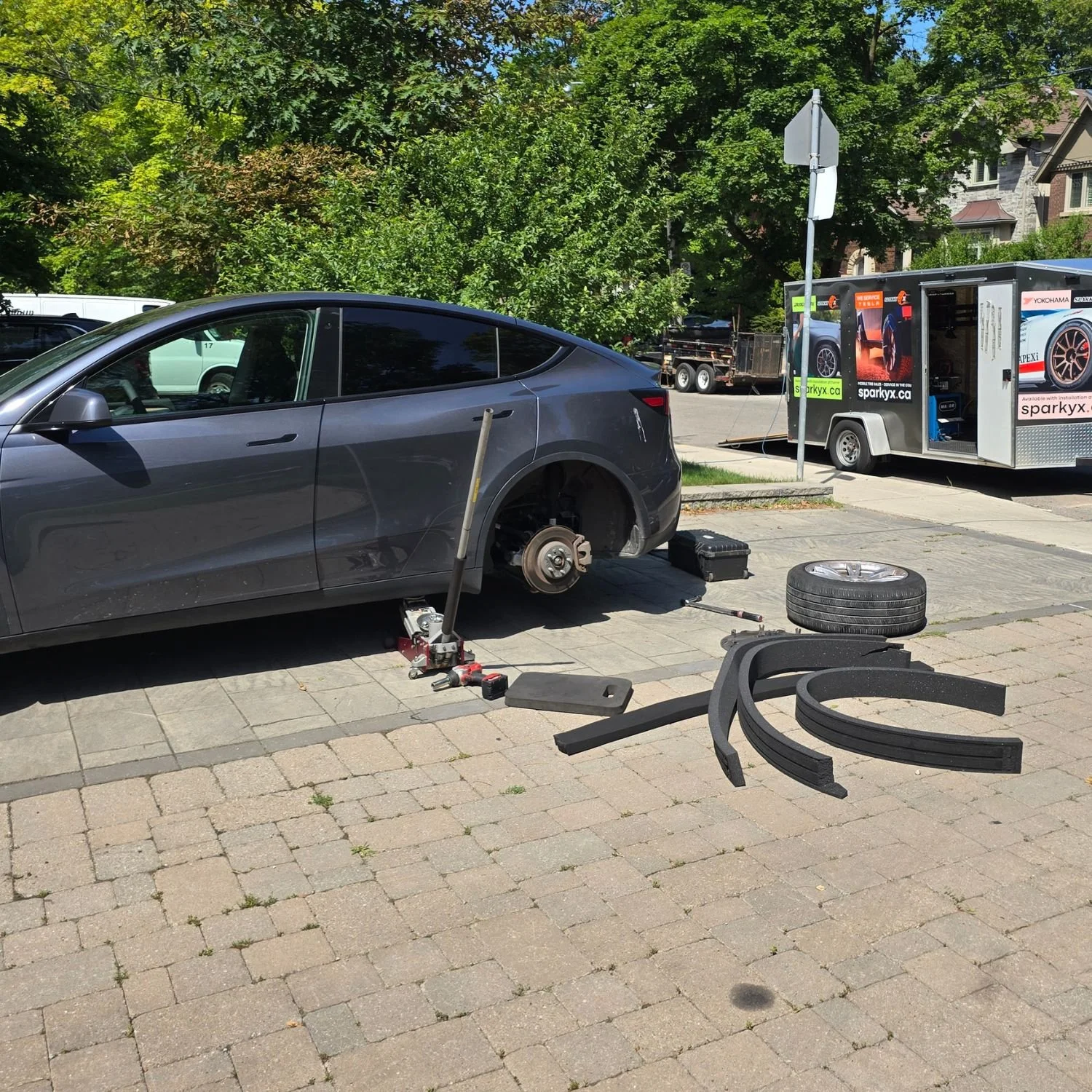
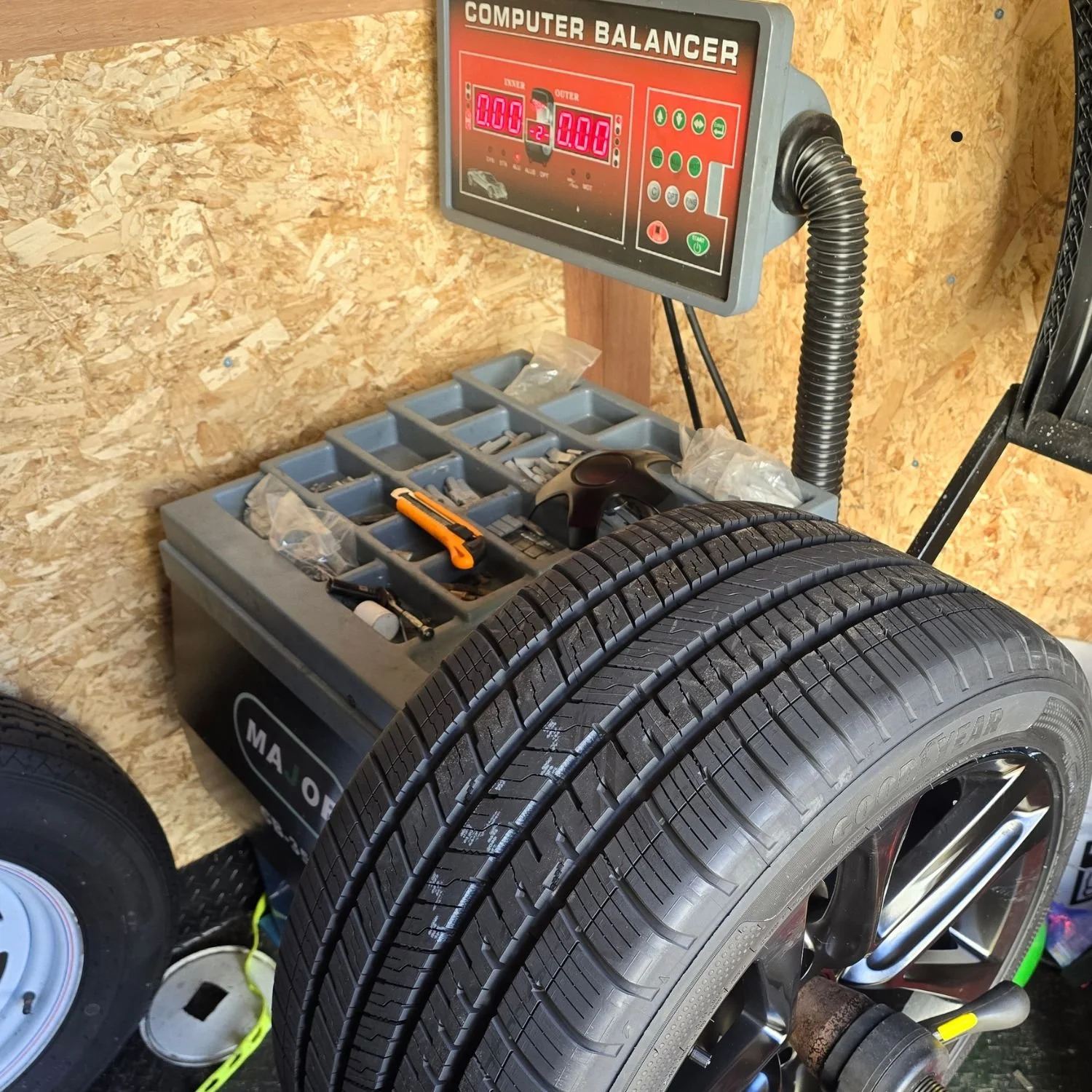
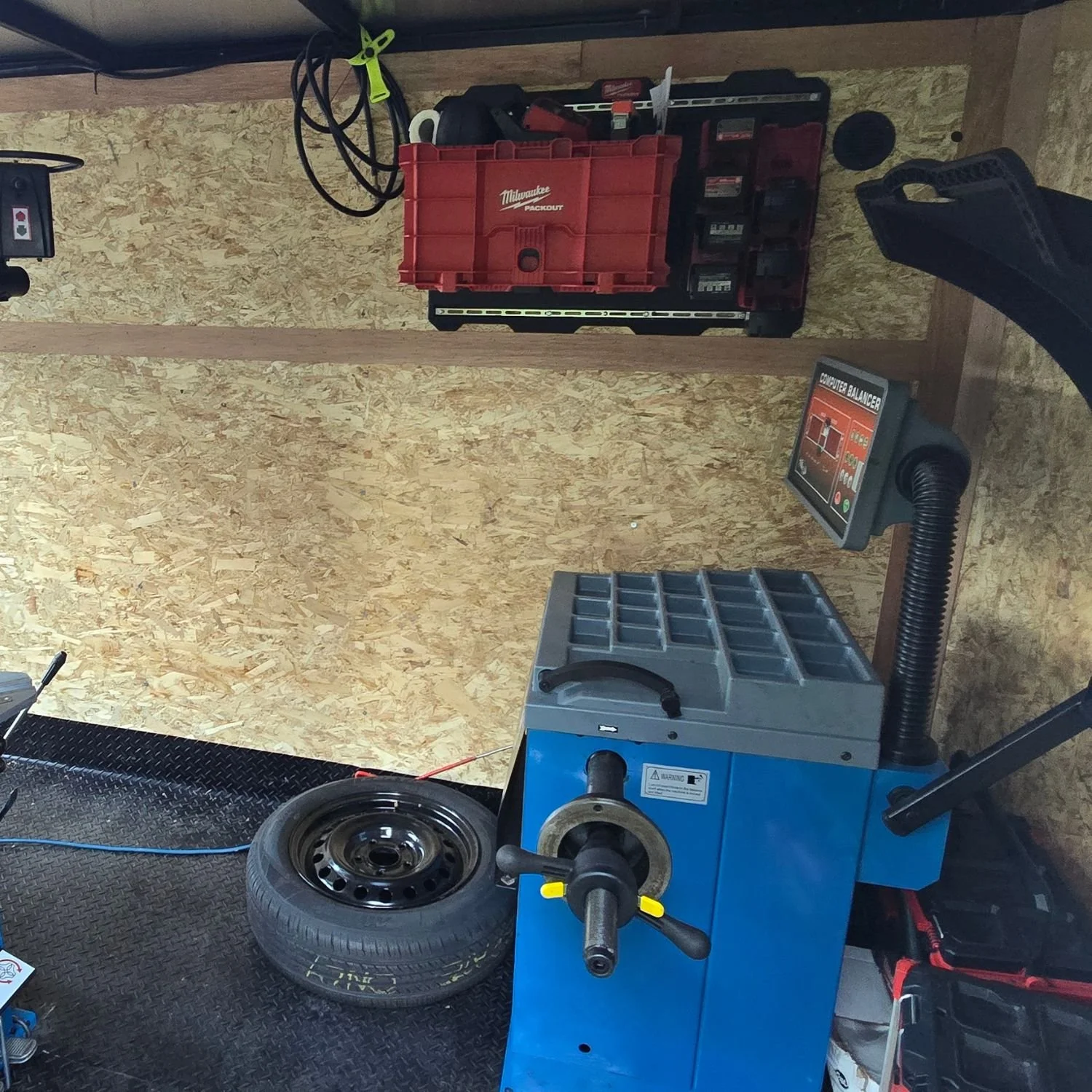
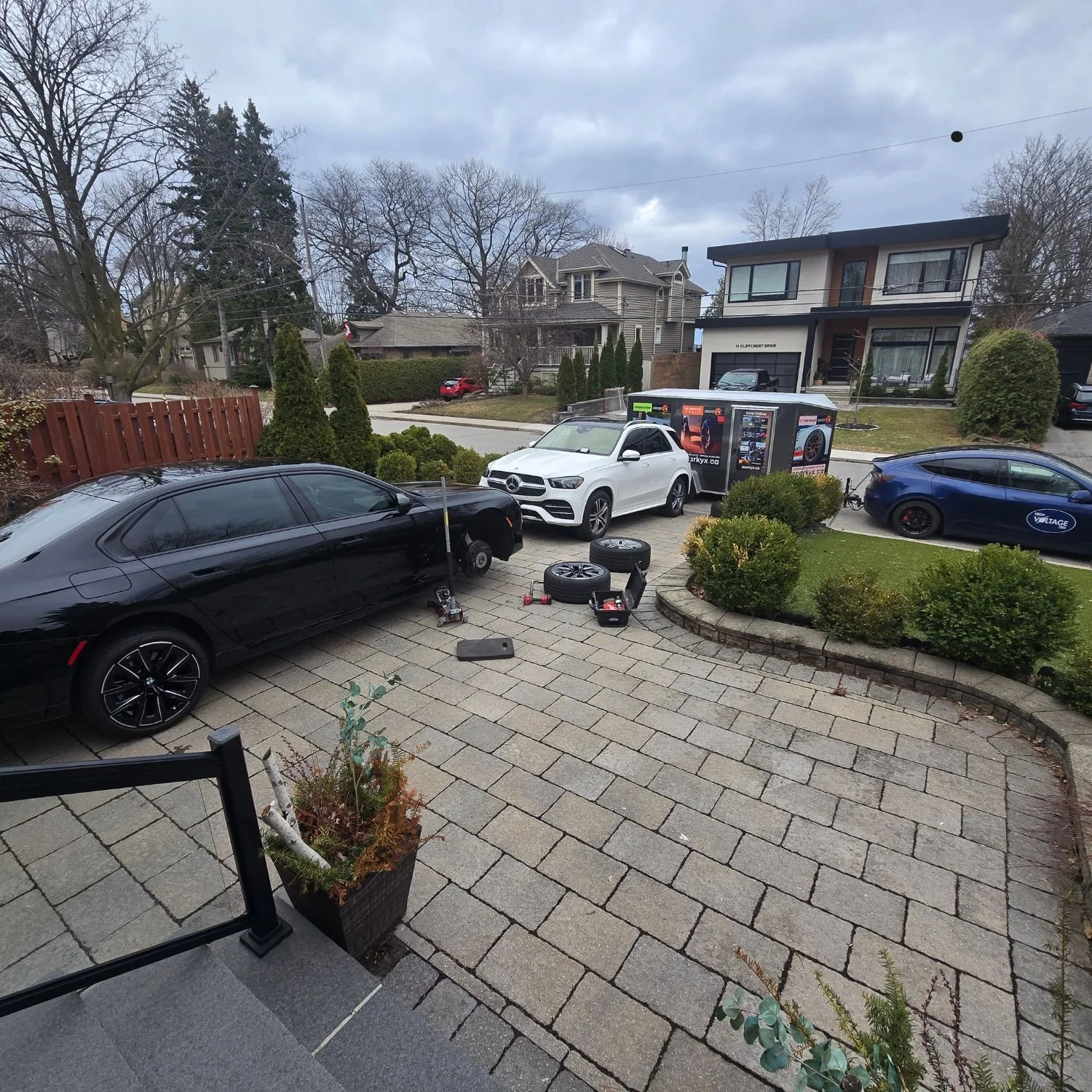
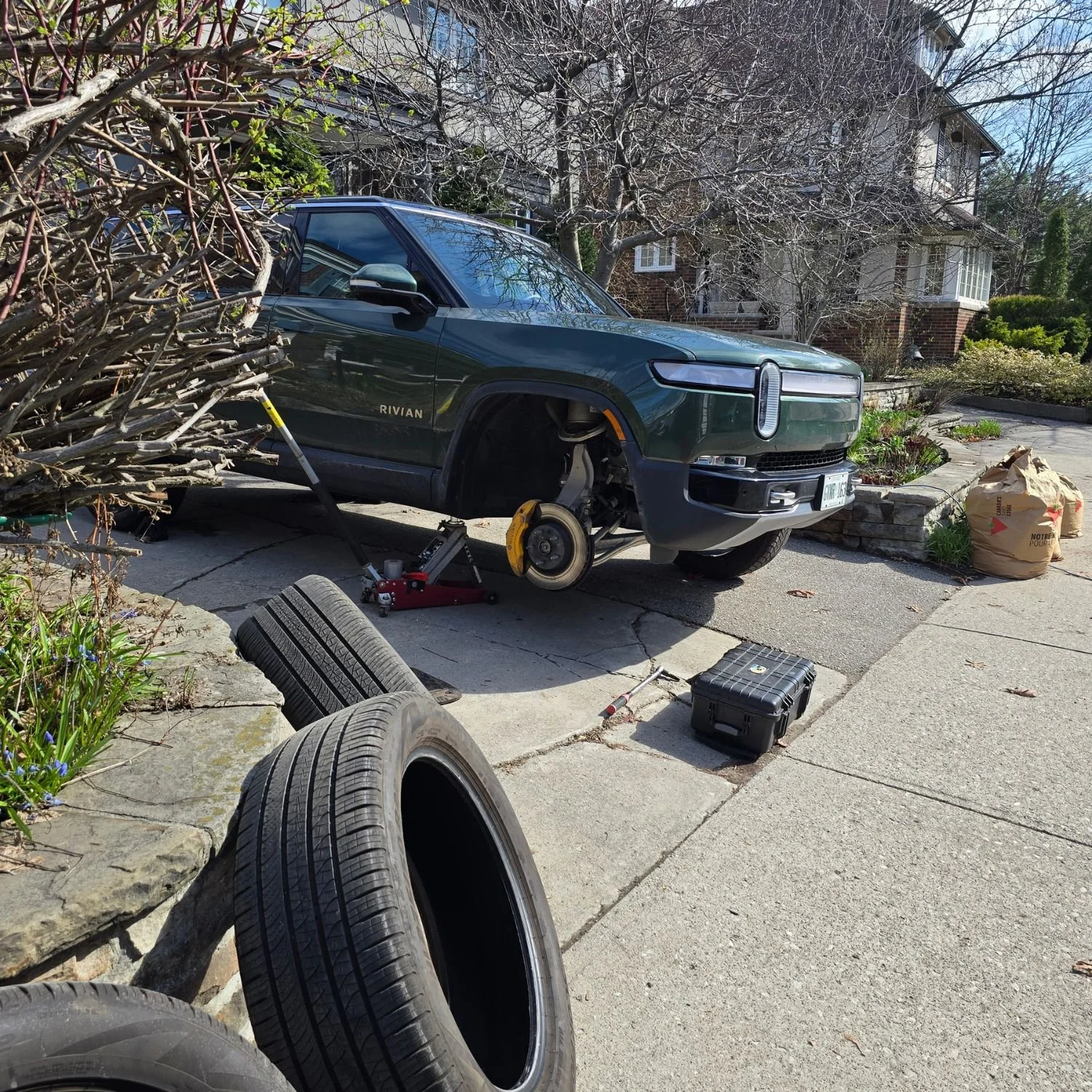
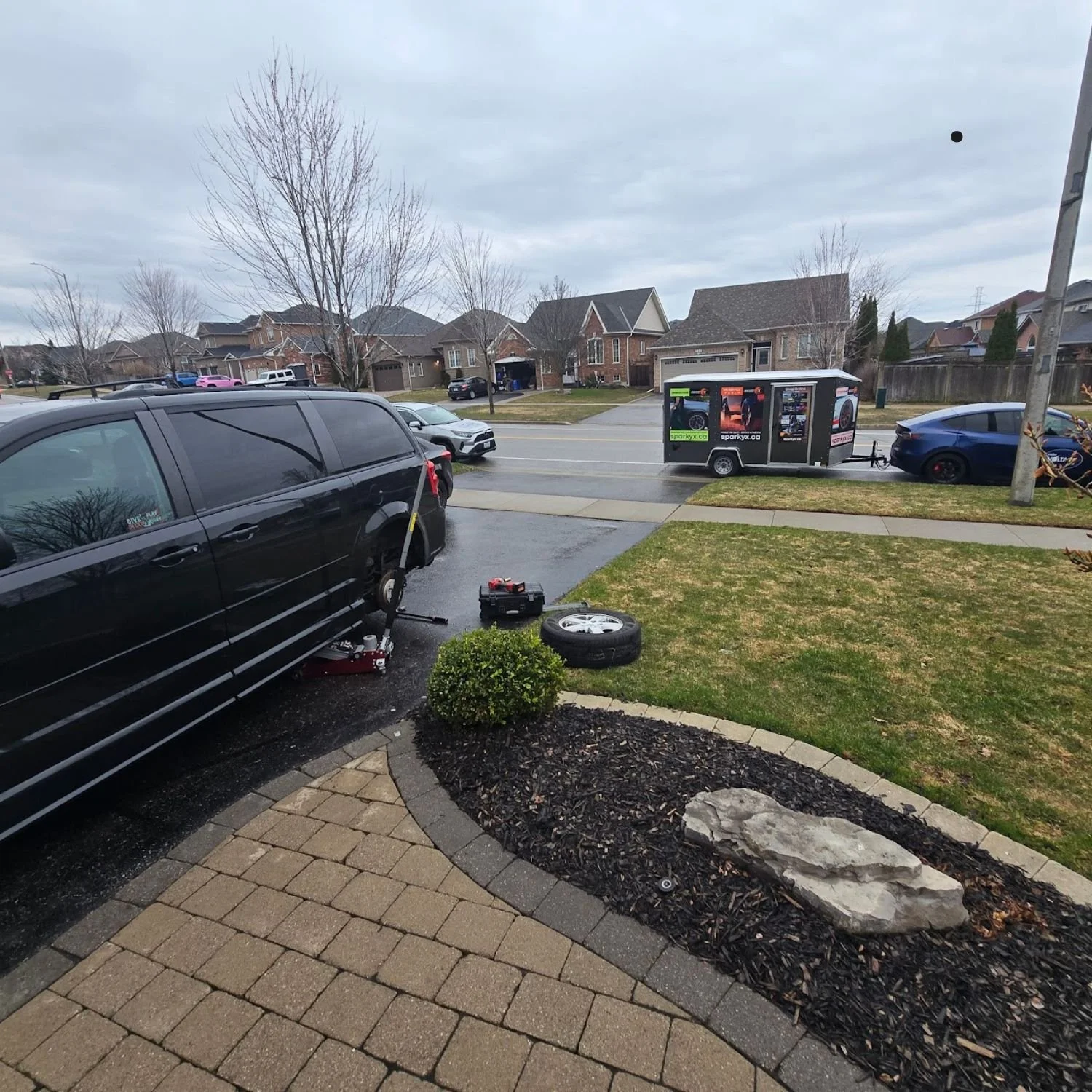
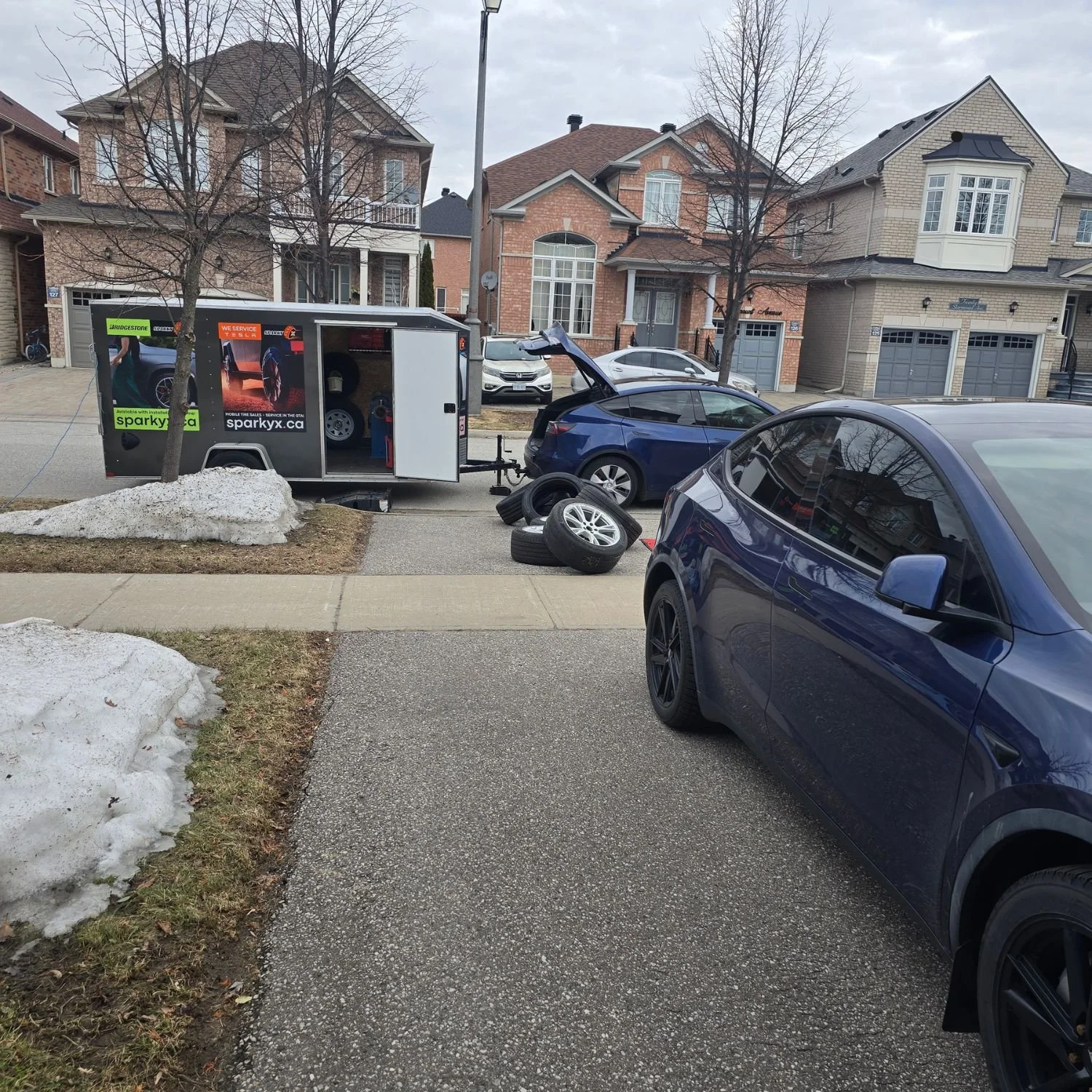
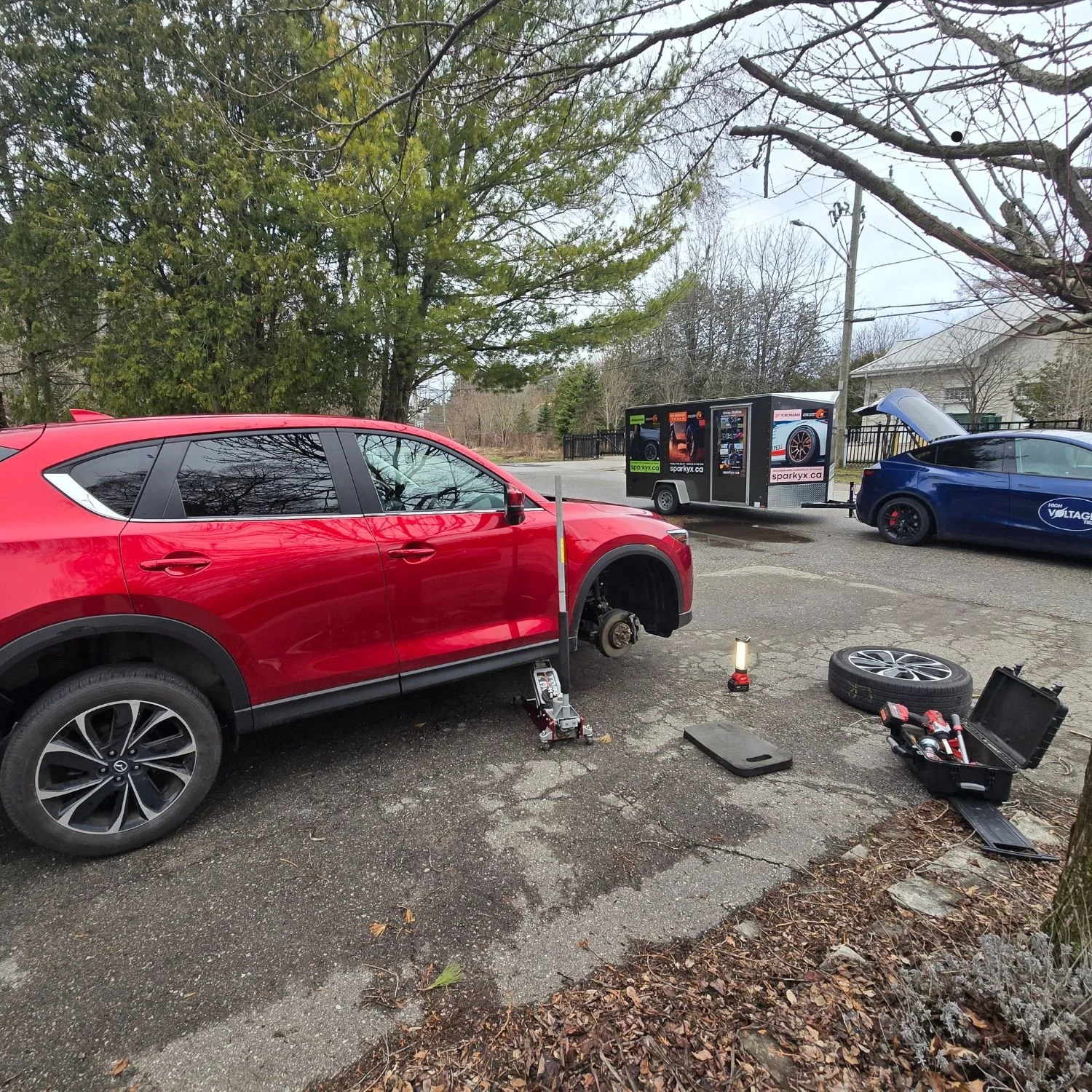
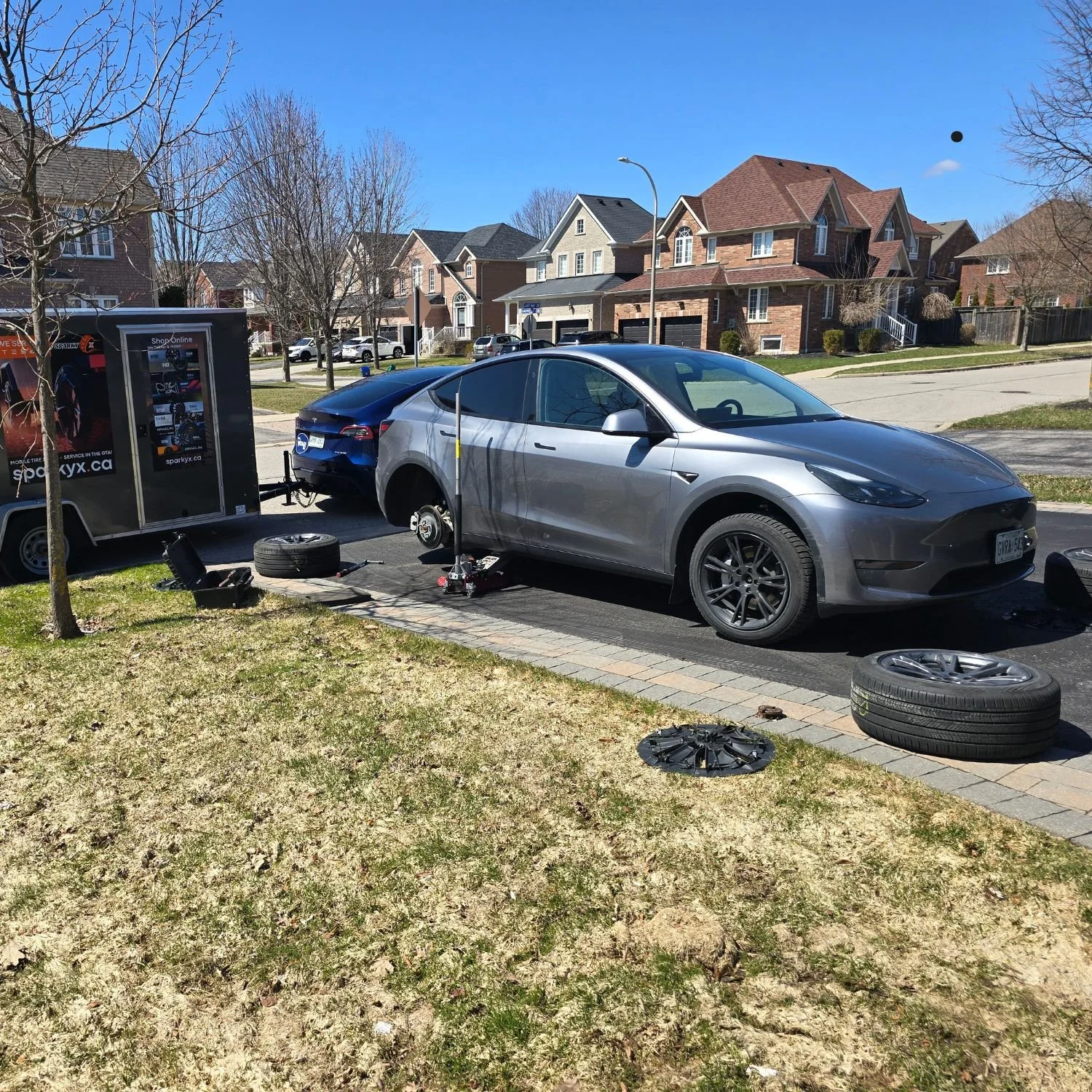
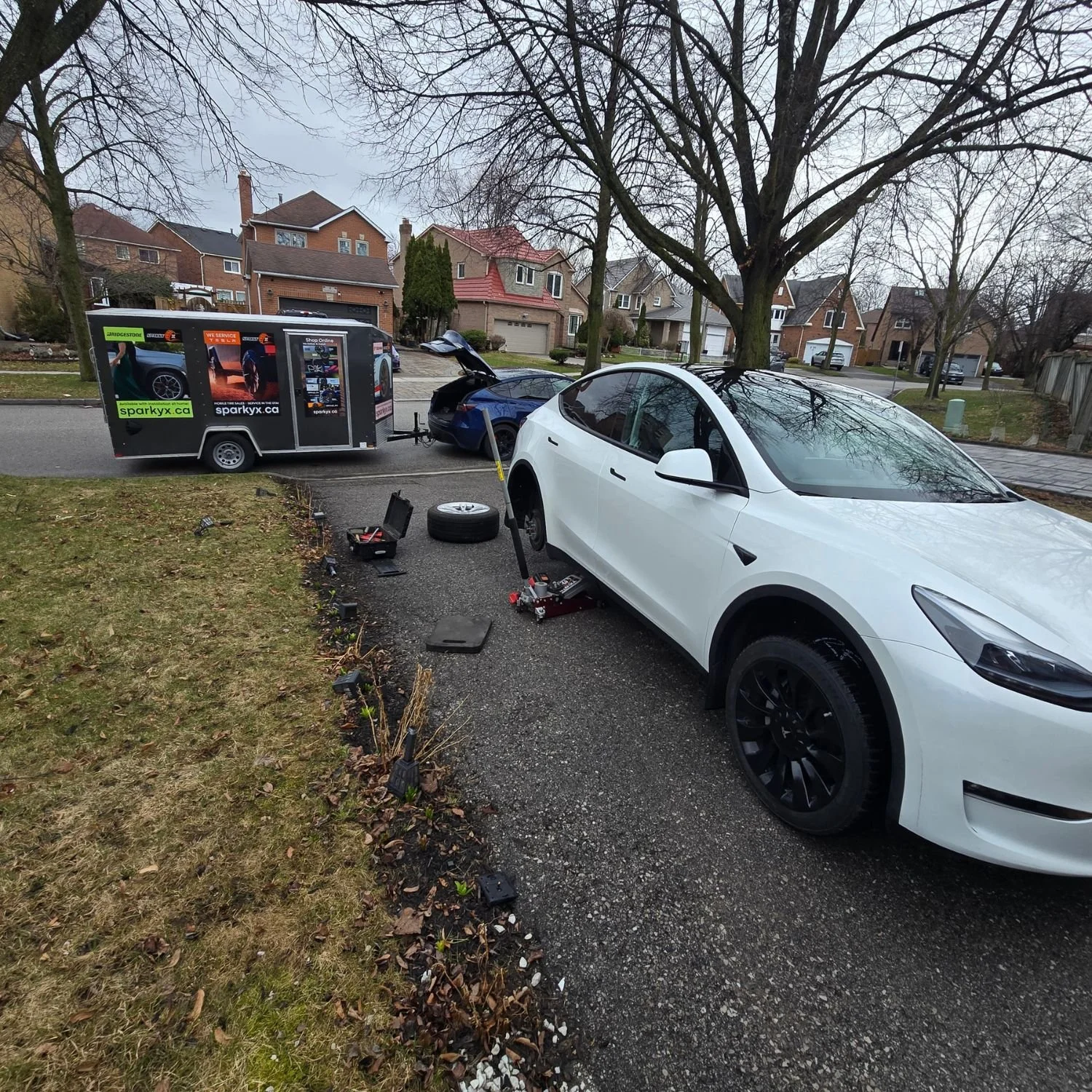
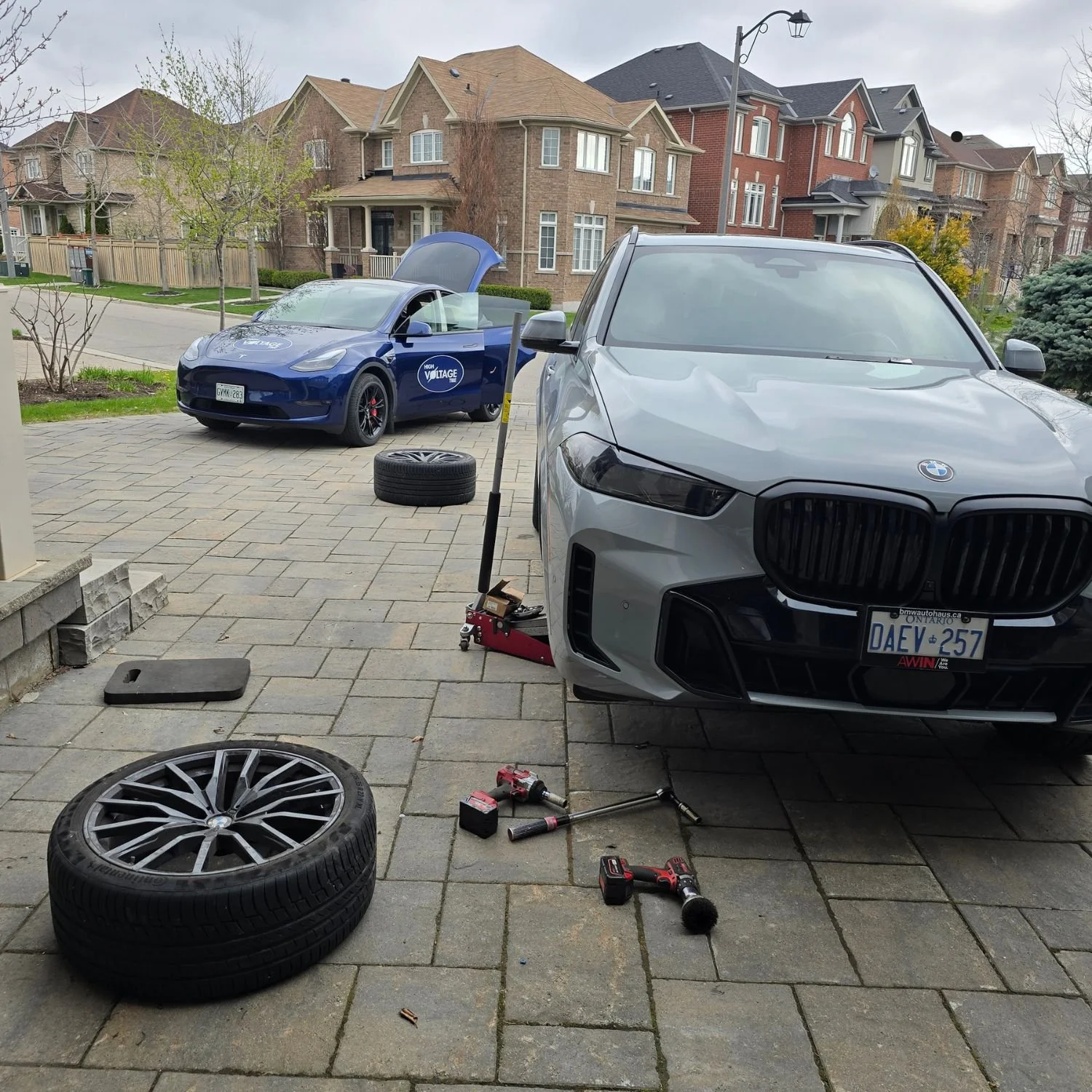
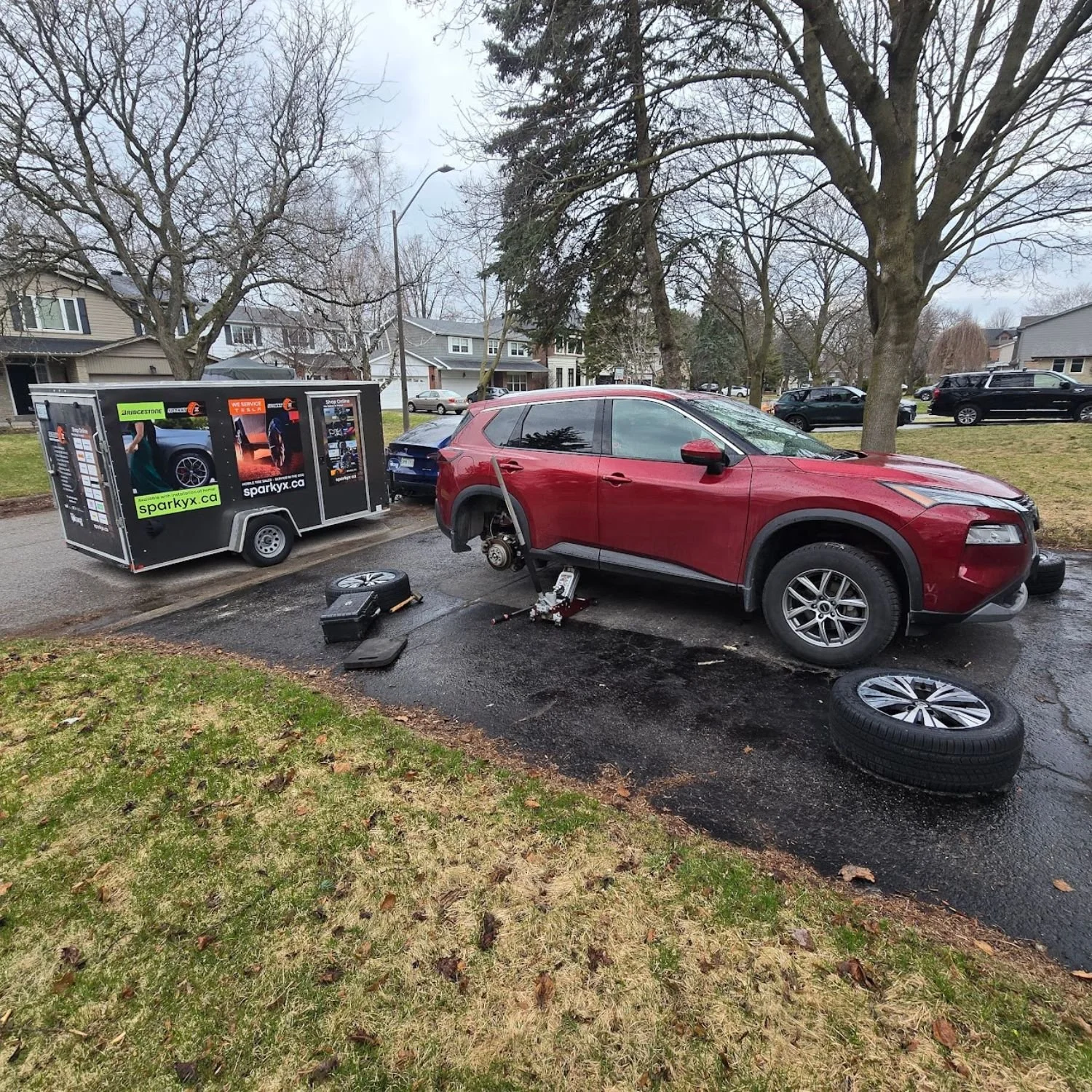
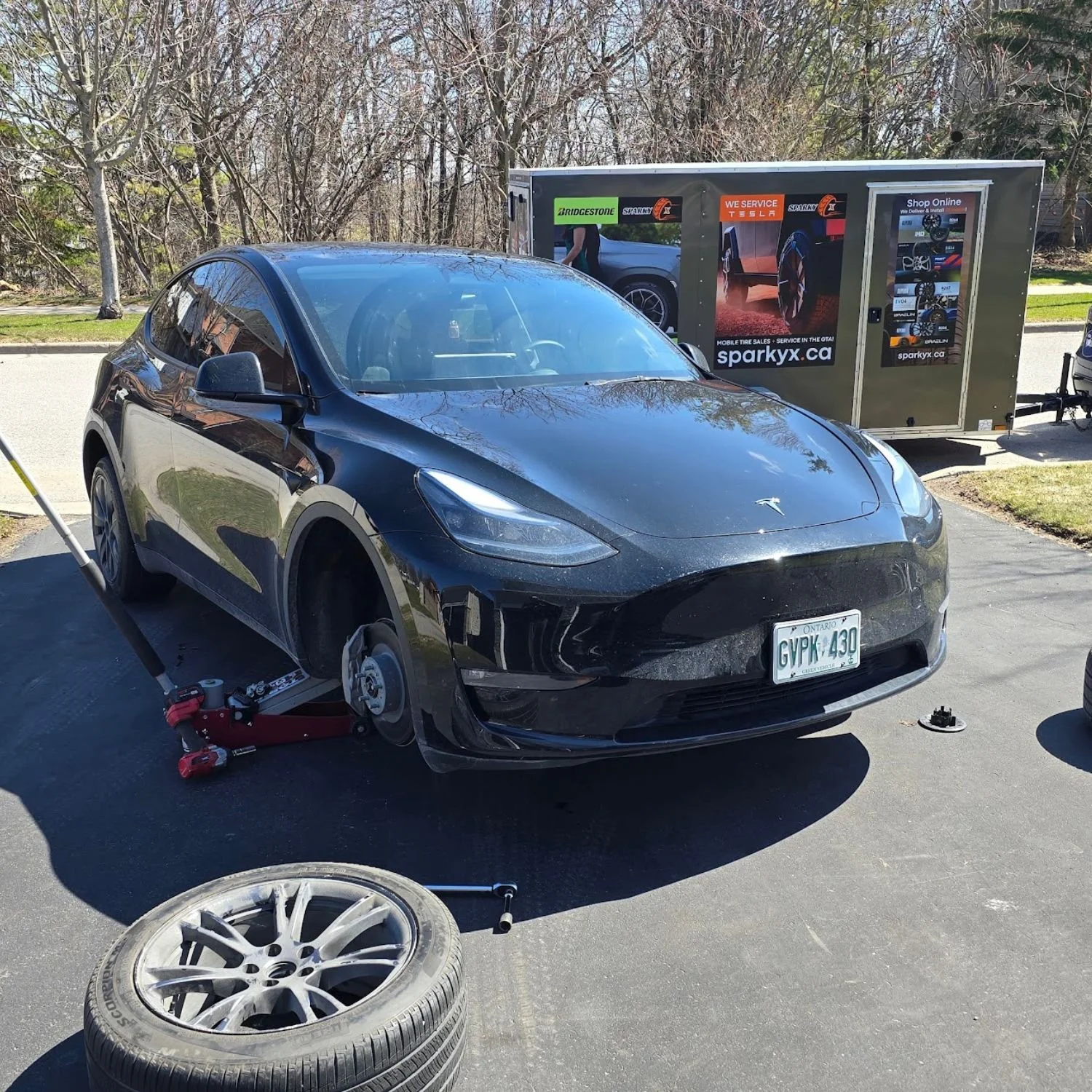
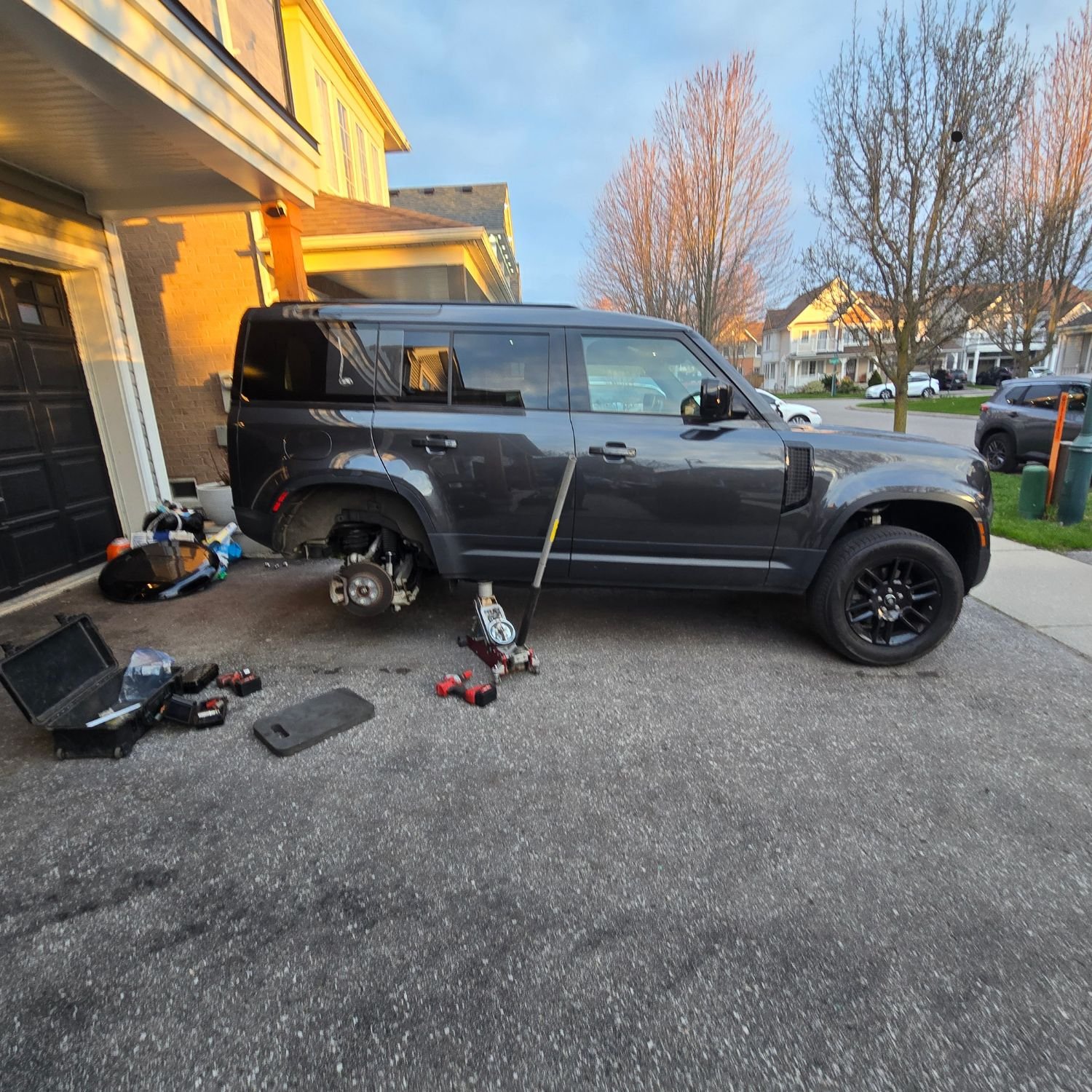
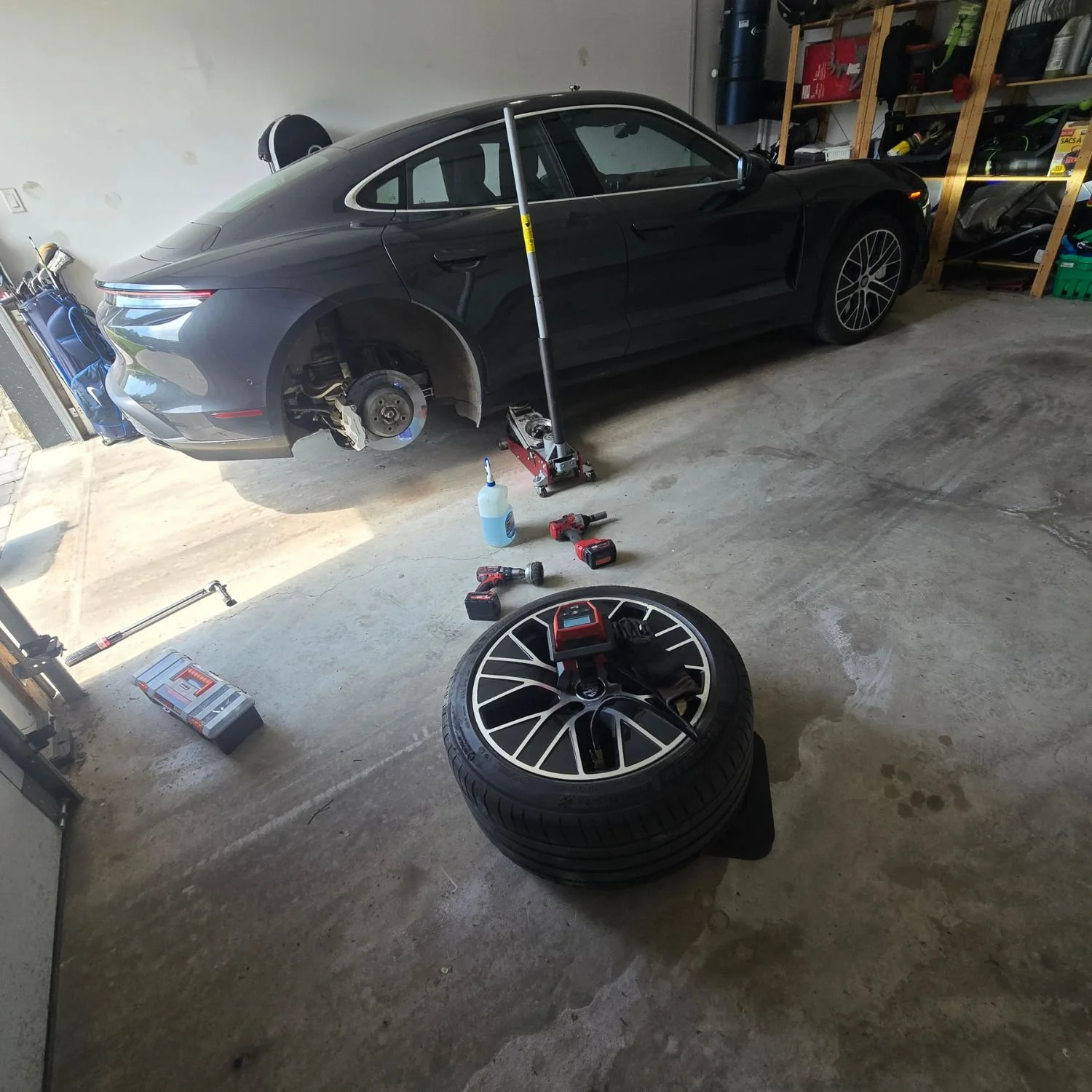
Sparky X Mobile Tire Shop removes the complexity of resolving sensor errors by deploying full-scale diagnostic and mechanical replacement infrastructure directly to your driveway. Operating across the Greater Toronto Area, Durham Region, and York Region, our mobile clinics carry advanced radio-frequency (RF) diagnostic transceivers and a comprehensive inventory of replacement sensors. We pinpoint system faults and program new hardware on-site, eliminating the need for a costly diagnostic visit to a traditional car dealership.
.Service call diagnostic, troubleshooting or relearn $120
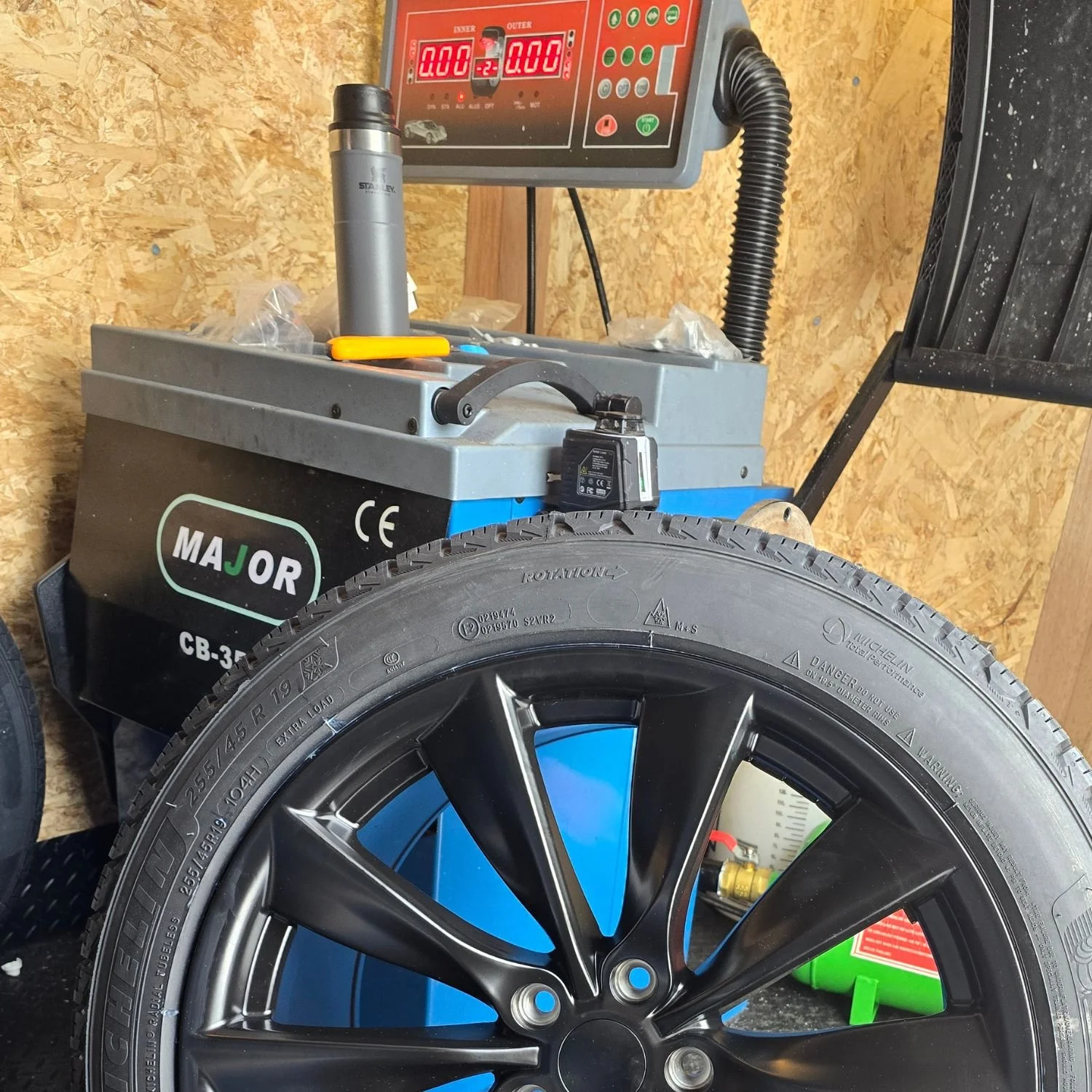
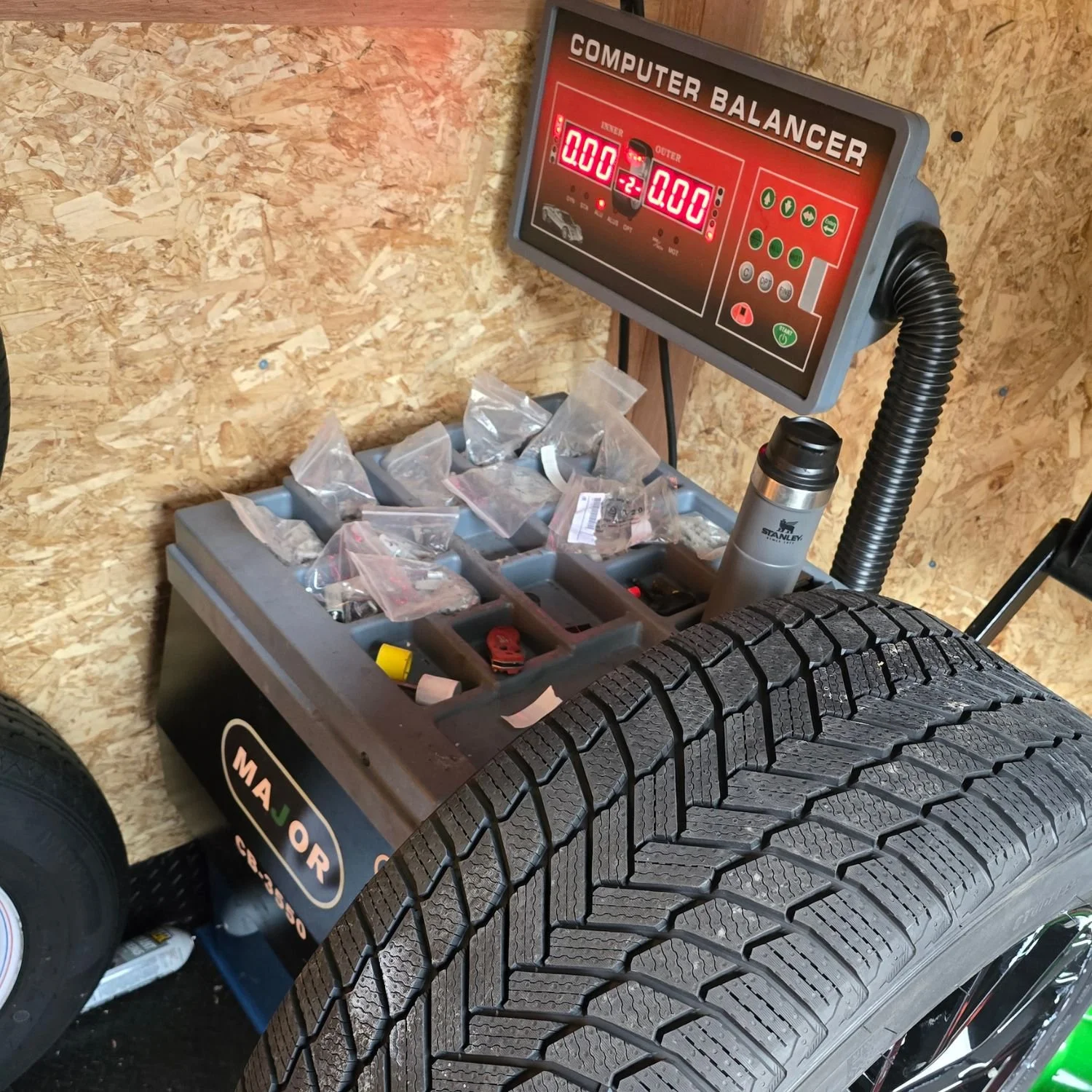
TPMS sensor replacement, and re-balancing wheels: 1 wheel $120; 2wheels $150, 3 wheels $180, 4 wheels $220
Parts extra
Modern vehicles utilize two distinct types of monitoring architectures, and our mobile units are fully equipped to diagnose and repair both configurations:
[DIRECT TPMS]   ---> Physical Sensor in Valve Stem ---> Measures Real-Time PSI & Temperature
[INDIRECT TPMS] ---> Software-Based ABS System   ---> Monitors Relative Wheel Rotational Speed
For vehicles equipped with Direct TPMS (which includes all Tesla models, luxury vehicles, and most modern domestic/import passenger cars), the most common point of failure is simply time. Direct sensors are powered by miniature, non-replaceable lithium-ion batteries sealed deep inside the sensor housing.
Battery Depletion: These internal batteries possess an engineering life expectancy of roughly 5 to 8 years or roughly 100,000 to 160,000 kilometers. Once a single battery drops below its minimum operating voltage threshold, the sensor ceases its RF broadcast, triggering a continuous system fault light on your dashboard.
Mechanical Corrosion: Because the metallic valve stems are continuously exposed to road salt, brine, and high-moisture environments across Southern Ontario winters, the aluminum cores frequently undergo galvanic corrosion. This causes the internal valve cores to seize up, crack under pressure, or develop slow, elusive air leaks.
Instead of blindly replacing functional hardware, Sparky X technicians follow a data-driven diagnostic approach inside our mobile clinics to isolate the exact root cause of your system error code:
Radio-Frequency Diagnostic Sweep: Phase 1.
Before any wheels are unbolted, our technician scans each wheel well using an advanced RF signal transceiver. This handheld unit captures the unique hexadecimal sensor ID, real-time internal battery voltage, operating frequency (315MHz or 433MHz), and actual internal tire temperature.
Localized Bead Breakdown: Phase 2.
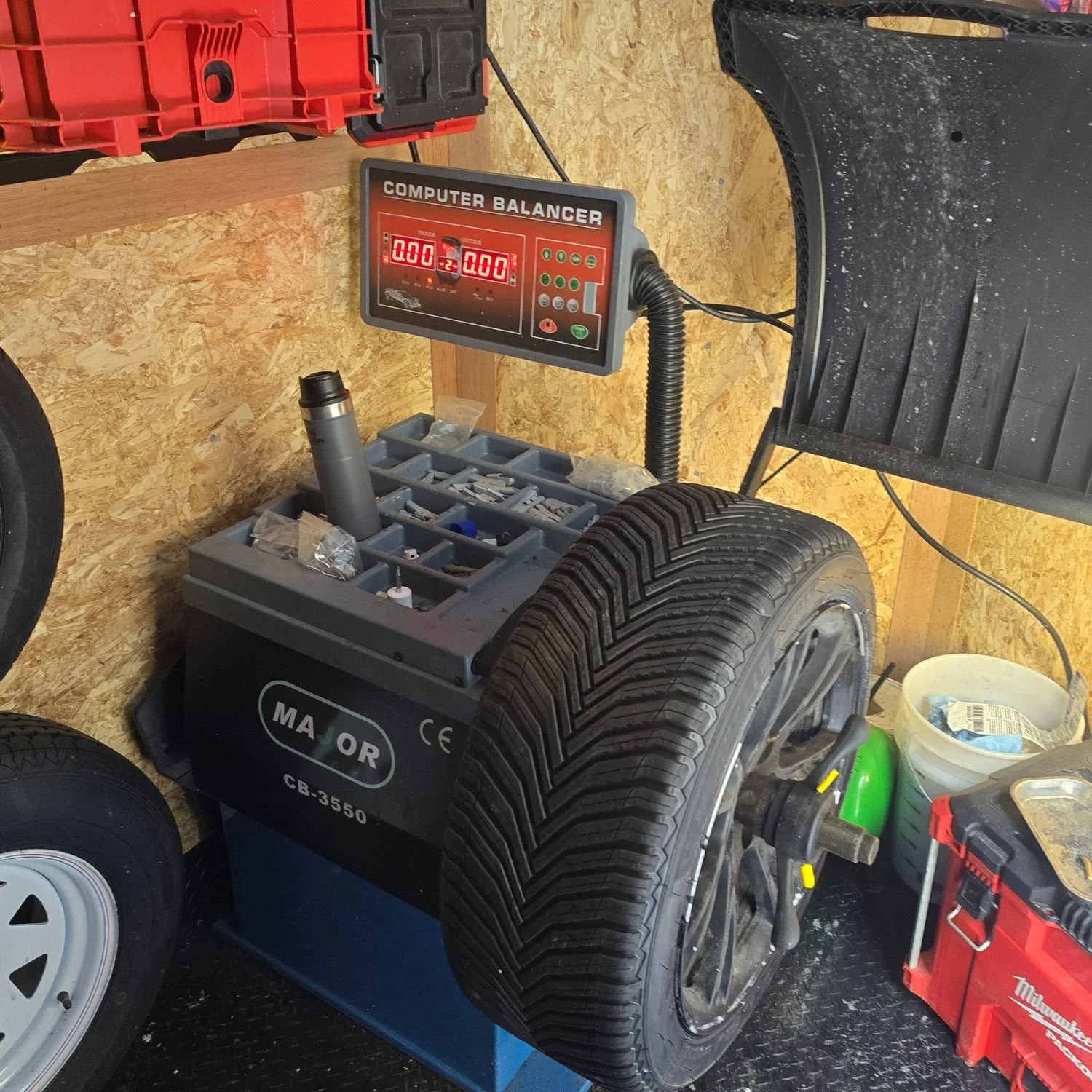
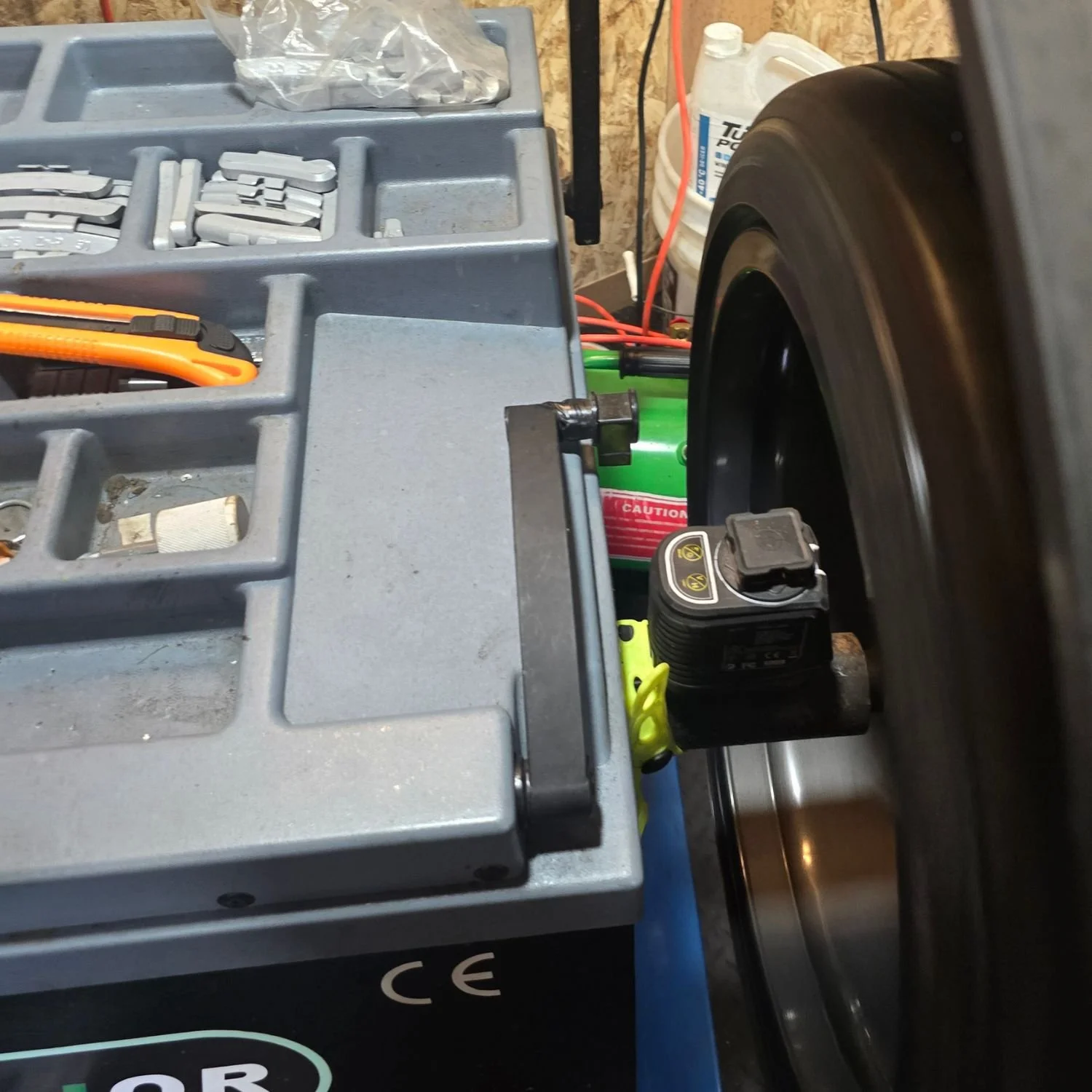
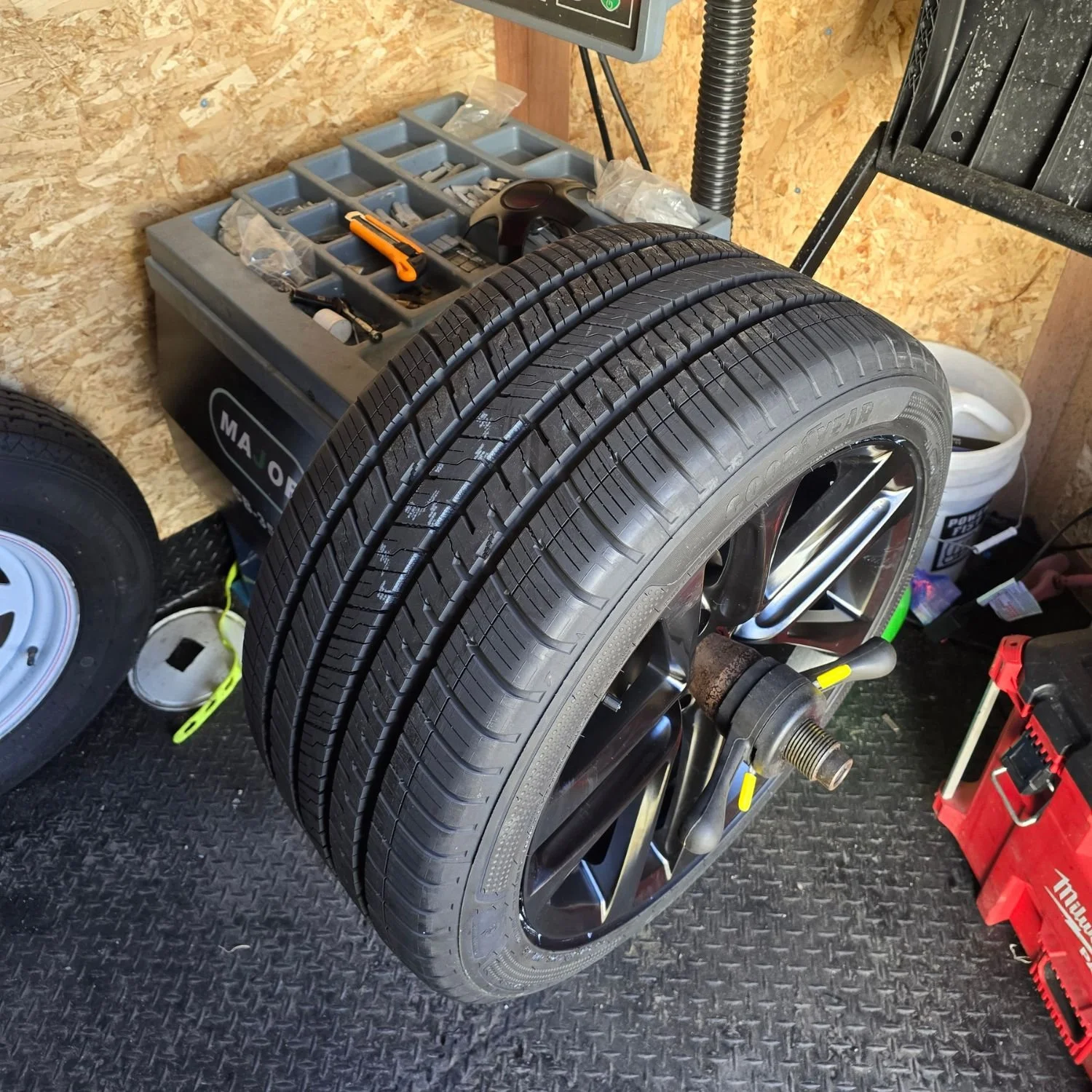
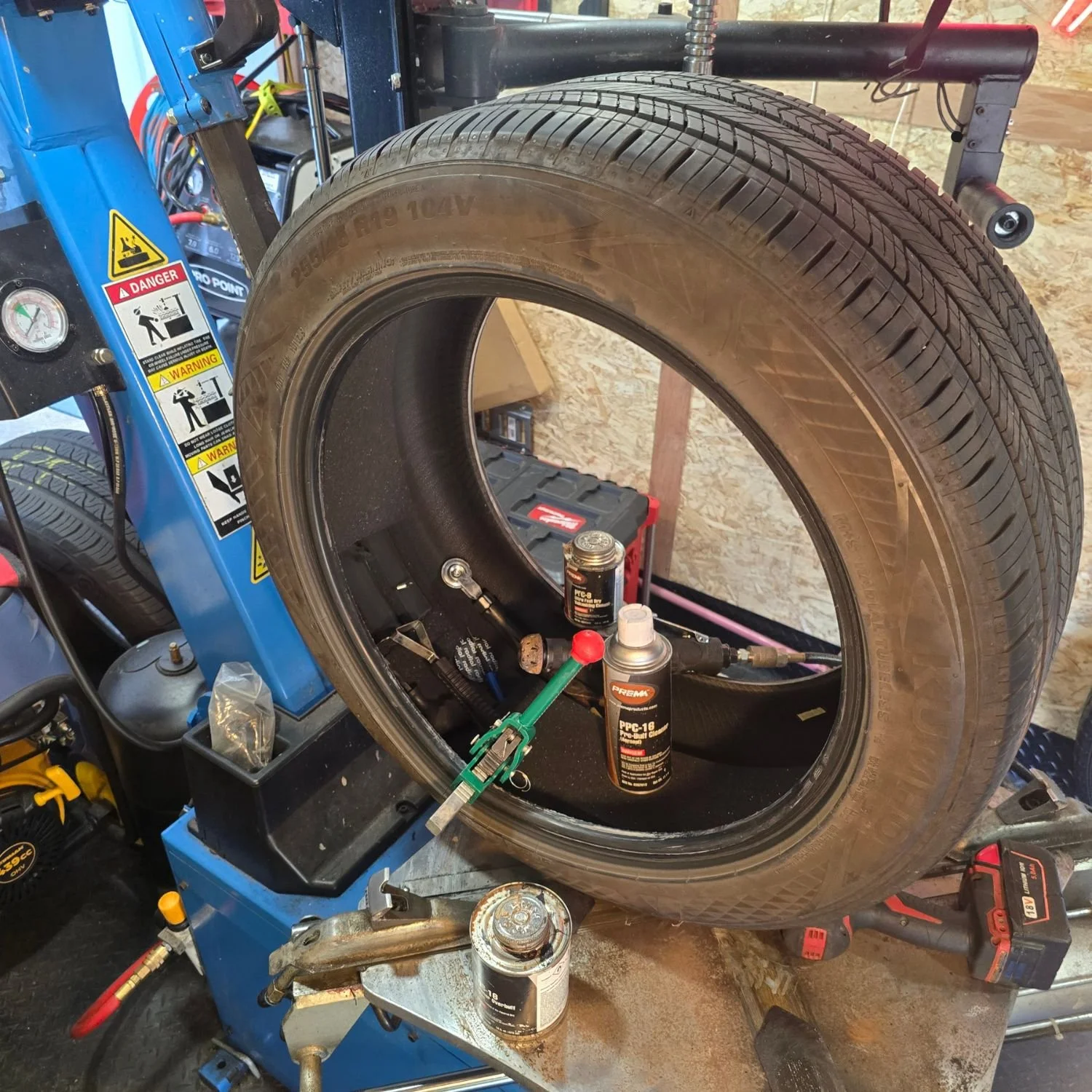
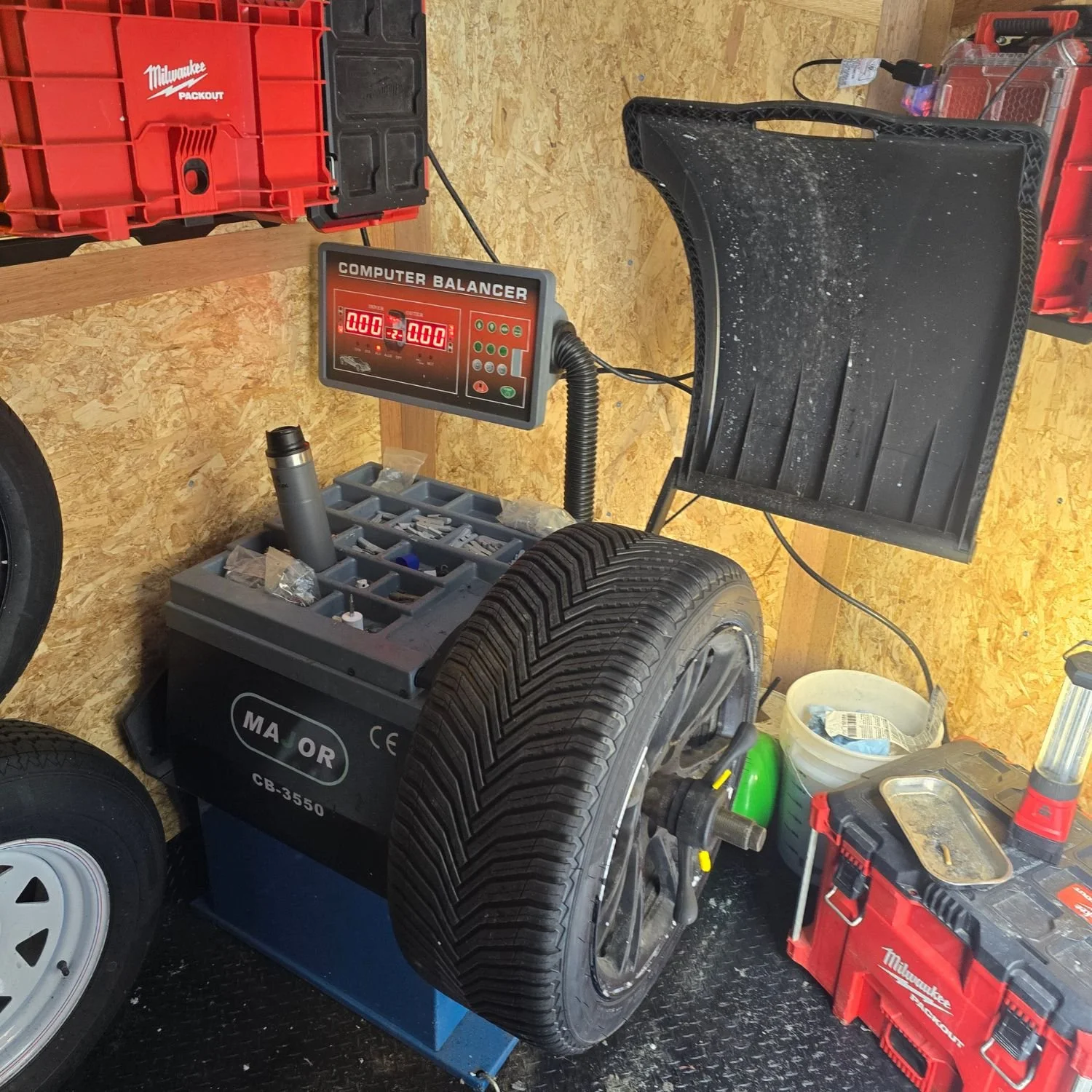
If a sensor reads dead, critically low on battery, or physically cracked, the wheel assembly is brought into our mobile unit. Using our touchless bead-breaking array, we carefully depress the tire bead directly around the valve stem area to isolate the damaged sensor without unmounting the entire tire.
Sensor Replacement & Hardware Refresh: Phase 3.
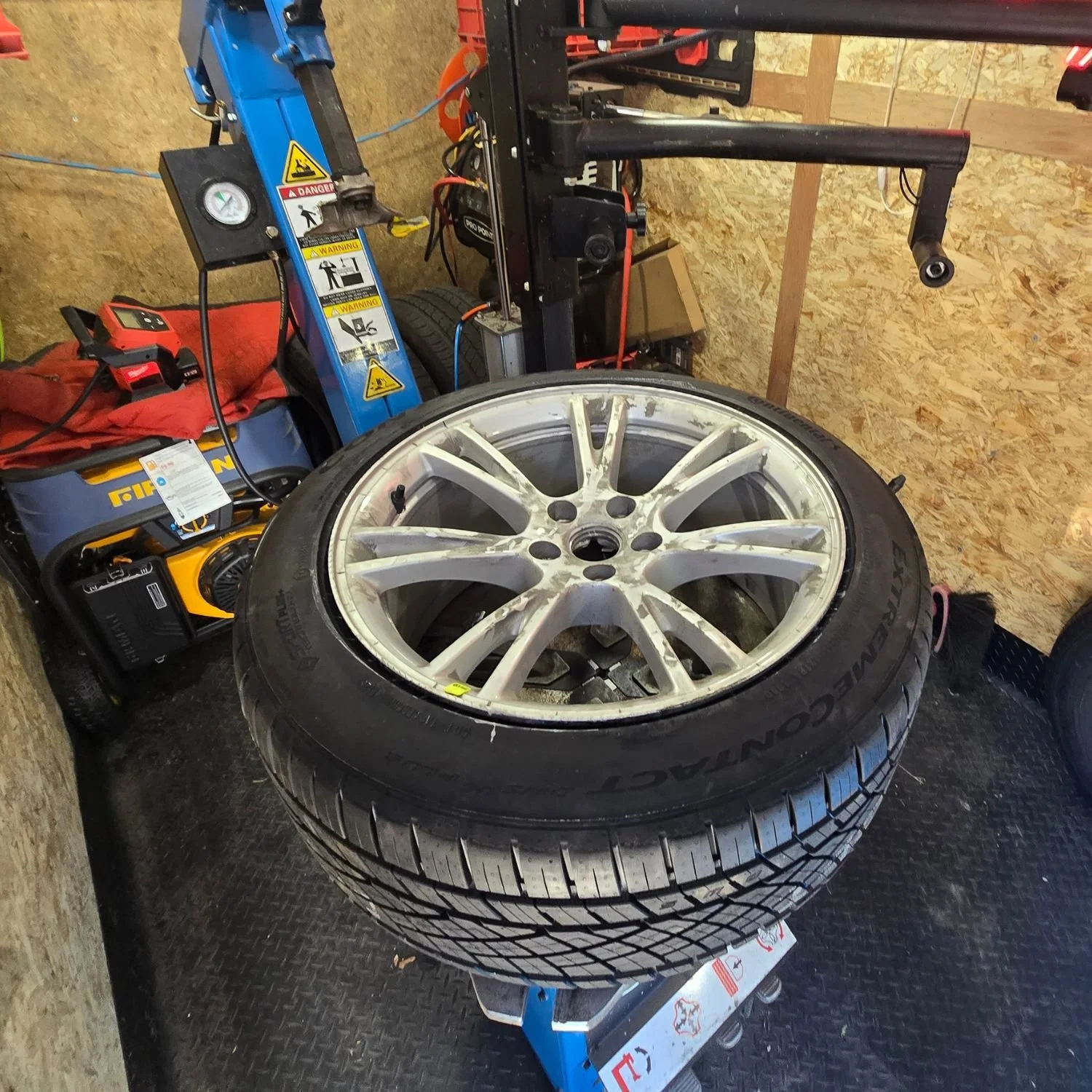
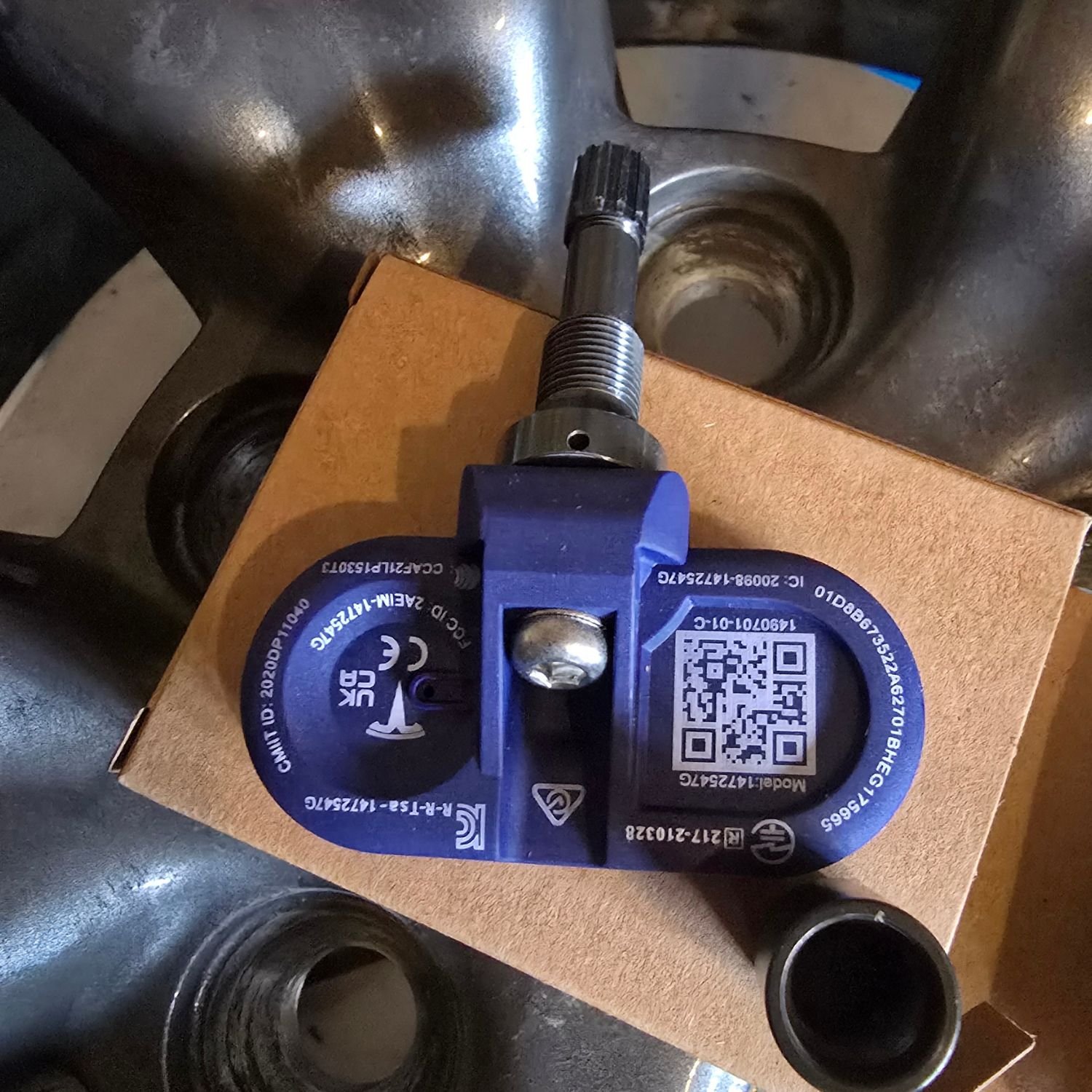
The failed component is unbolted and extracted. We install a premium universal programmable sensor or a vehicle-specific OEM unit, complete with a brand-new rubber sealing grommet, retaining nut, and nickel-plated valve core to establish a completely airtight seal.
Digital ECU Relearn & Calibration: Phase 4.
With the fresh hardware securely installed and the tire re-inflated, our technician connects a specialized OBD-II deployment tool directly to your car's central computer. We clone your old sensor IDs or write the new hexadecimal pathways directly to your vehicle's ECU position matrix.
If you drive a modern Tesla platform (such as a newer generation Model 3, Model Y, Model S, or Model X), your vehicle does not utilize standard radio-frequency sensors. Instead, it utilizes highly advanced, proprietary Bluetooth Low Energy (BLE) TPMS sensors.
[Tesla BLE Sensor] -------- (Bluetooth Low Energy) --------> [Tesla Central Autopilot Computer]
These Bluetooth units track instantaneous, micro-fractional changes in temperature and pressure to feed real-time structural data directly into your car's Autopilot and battery management loops. Traditional aftermarket sensors are completely invisible to a Tesla's computer architecture.
Sparky X mobile tire clinics carry dedicated, factory-spec BLE sensors engineered specifically to sync seamlessly with Tesla’s internal networks. Whether you are setting up a brand-new winter wheel package or replacing a dead sensor on your factory rims, we ensure your vehicle automatically recognizes the new Bluetooth paths within seconds of driving.
Our Mobile TPMS Service is available in Toronto, Richmond Hill, Markham, Pickering, Ajax, Whitby, Oshawa, and Bowmanville in Ontario, Canada.
Can't I just ignore the TPMS light and check my tire pressure manually?
While you technically can, it compromises your vehicle's safety profile. Modern low-profile tires and heavy electric vehicle setups make it incredibly difficult to visually detect a tire that has lost 10-15 PSI just by looking at it. Running on under-inflated tires creates massive internal heat buildup, which compromises the sidewall architecture and can lead to sudden tire failure. Additionally, on many premium platforms, an active TPMS fault code will automatically disable or restrict safety systems like traction control, stability management, or autonomous lane-keep assists.
Do you have to change my entire tire just to replace a broken TPMS sensor?
No. Our technicians utilize highly targeted mobile extraction procedures. We pull the wheel assembly into our mobile van and use a precise bead-depression tool to safely push back just the local section of tire rubber immediately surrounding the valve stem. This gives us full access to unbolt and replace the underlying sensor assembly without stripping the entire tire off the wheel barrel, preserving your wheel balance parameters and saving you valuable time.
Why did my TPMS light come on immediately after getting a seasonal tire swap?
If your winter and summer tires are mounted on two completely separate sets of rims, each set contains its own distinct group of four TPMS sensors. If your vehicle’s central computer wasn't specifically re-programmed or forced into a "relearn" phase to accept the secondary sensor ID codes during the swap, the car will continue searching for the old sensors now sitting in your garage or storage unit, triggering a system fault light. Our mobile technicians carry universal programming tools that instantly write the secondary wheel IDs to your vehicle's computer on-site, clearing the error light immediately.
Restore your vehicle's built-in safety parameters and eliminate annoying dashboard error codes right from your own driveway. Schedule a precision mobile TPMS diagnostic scan or sensor replacement at your home or workplace.