
Tesla Tire Size & Selection Guidelines
Choosing the correct tire size for your Tesla is essential for maintaining optimal range, safety, and ride quality. While supported sizes vary by model—typically ranging from 18-inch options for the Model 3 to 22-inch performance wheels for the Model X—you should always confirm your specific vehicle’s requirements via the placard on the driver-side door jamb or the owner's manual. For the best experience, look for tires with a "T-mark" (e.g., T0, T1, T2) on the sidewall; these are Tesla-approved variants specifically engineered to handle the car's heavier weight and instant torque while minimizing road noise. Keep in mind that while larger wheel sizes offer sportier handling, smaller wheel diameters generally provide superior efficiency and maximum driving range.
Tesla Tire Size Reference Guide (Model 3, Model Y, Model S, Model X)
This spreadsheet provides a complete overview of the most common tire sizes used across all Tesla models, including Model 3, Model Y, Model S, and Model X. It is specifically designed for technicians, mobile tire operators, and tire sales professionals who regularly service Tesla vehicles in the Greater Toronto Area.
Because Tesla vehicles use EV-specific load ratings, unique staggered setups, and low-rolling-resistance fitments, this guide highlights not only the OE tire sizes but also the most practical winter downsizing options and high-volume replacement sizes. These sizes reflect real-world demand patterns in the GTA, based on seasonal tire changes, repairs, and the region’s rapidly growing Tesla population.
Use this reference to:
Identify correct OE tire sizes for each Tesla model and trim
Quickly determine compatible winter and alternate fitments
Improve quoting accuracy for Tesla tires
Streamline inventory planning for high-demand EV tire sizes
Ensure all replacements meet Tesla’s required load and EV-rated specifications
| # | Tire Size | Link to Results | Tesla Models | Description / Notes |
|---|---|---|---|---|
| 1 | 235/45R18 | View Tires | Model 3 RWD & LR (18" Aero) | Most common Tesla tire size in GTA; top winter seller. |
| 2 | 235/40R19 | View Tires | Model 3 RWD & LR (19" Sport) | OE upgrade size; sporty feel; popular performance option. |
| 3 | 245/35R20 | View Tires | Model 3 Performance (20" Überturbine) | Low-profile; limited winter tire availability. |
| 4 | 255/40R19 | View Tires | Model 3 LR (Upgraded Packages) | Wider footprint; sometimes used as a performance upgrade. |
| 5 | 245/45R18 | View Tires | Model 3 Winter Downsize | Popular snow tire option; excellent comfort & range. |
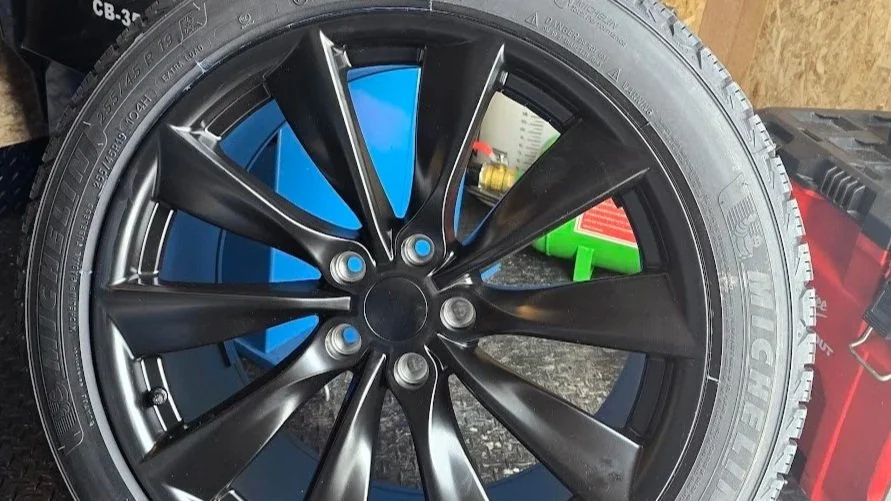
| 6 | 255/45R19 | View Tires | Model Y AWD / LR (19" Gemini) | Most common Model Y size; extremely high demand. |
| 7 | 255/40R20 | View Tires | Model Y LR & Performance (20" Induction) | Very popular upgrade; lower profile vs 19". |
| 8 | 255/35R21 | View Tires | Model Y Performance (Front) | Part of staggered 21" Überturbine setup. |
| 9 | 275/35R21 | View Tires | Model Y Performance (Rear) | Rear staggered size; limited winter availability. |
| 10 | 255/45R20 | View Tires | Model Y Winter Downsize (20") | Used to avoid 21" low-profile winter issues. |
| 11 | 245/45R19 | View Tires | Model Y Winter Downsize (19") | Square winter setup for efficiency & traction. |
| 12 | 245/45R19 | View Tires | Model S (2021+ Refresh) | Main 19" OE fitment for most trims. |
| 13 | 245/35R21 | View Tires | Model S (2021+ Front, Staggered) | Part of 21" Arachnid performance package. |
| 14 | 285/35R21 | View Tires | Model S (2021+ Rear) | Staggered rear size; premium-performance fitment. |
| 15 | 265/35R21 | View Tires | Older Model S Perf (Front) | Arachnid wheel package (pre-refresh). |
| 16 | 295/30R21 | View Tires | Older Model S Perf (Rear) | Low-profile staggered performance size. |
| 17 | 255/45R20 | View Tires | Model X (20" Front & Rear) | Most common Model X tire; highest winter volume. |
| 18 | 275/45R20 | View Tires | Model X (20" some trims) | Appears on select mixed Model X setups. |
| 19 | 265/35R22 | View Tires | Model X (22" Front) | Part of staggered 22" Onyx Black package. |
| 20 | 285/35R22 | View Tires | Model X (22" Rear) | Staggered rear size; limited winter options. |
FAQ: Tesla Tire Selection, Homologation & EV Compatibility
-
These are Tesla-specific homologation codes (factory approval marks). They indicate that a tire was co-developed by Tesla and the tire manufacturer specifically for your vehicle's unique needs.
T0: The initial approved version of that tire model for Tesla.
T1: An updated version with improvements in range, noise reduction, or handling.
T2: The latest generation of that specific tire line.
Why it matters: T-marked tires are engineered to handle the instant torque and heavier weight of a Tesla while maximizing range and minimizing cabin noise.
-
No, you are not strictly required to use Tesla-marked tires. You can safely install aftermarket tires as long as they meet or exceed the factory requirements for:
Load Index (Crucial): EVs are heavier than gas cars. Ensure the tire is "XL" (Extra Load) rated or meets the specific load index (e.g., 98, 104) listed on your door placard.
Speed Rating: Must match the top speed potential of your specific trim (e.g., W or Y rated).
Trade-off: Non-EV tires may offer better pricing or different tread life warranties but often result in slightly reduced range (5-10%) and increased road noise.
-
Technically, yes, if the size, load, and speed ratings match. However, it is not recommended for optimal performance.
Why: These tires are homologated for internal combustion vehicles. They are often tuned for different suspension geometries and engine noise levels (masking road noise), whereas Tesla tires are tuned for silence and low rolling resistance. Using them is safe, but you may lose range and experience a louder ride.
-
Many Tesla-approved (T-mark) tires feature a layer of polyurethane acoustic foam adhered to the inner liner of the tire (e.g., Michelin Acoustic, Continental ContiSilent).
The Benefit: This foam absorbs cavity noise (the "drumming" sound caused by tires rolling over impacts). Since Teslas have no engine noise to mask these sounds, this technology significantly improves cabin comfort, especially at highway speeds.
Repair Note: If you get a flat, let your tire shop know you have foam-lined tires; most professional shops can easily cut a small section of foam to patch the tire and re-glue it.
-
EV-approved tires are designed with Low Rolling Resistance (LRR) compounds and stiffer sidewalls.
Less Energy Waste: They deform less as they roll, meaning less energy is wasted as heat.
Aerodynamics: Some EV tires feature flatter sidewall designs to smooth airflow around the wheel well.
Result: Switching from a standard high-performance tire to an EV-specific LRR tire can effectively increase your real-world range by 5% to 10%.