
The Risks of Downsizing Rims and Tires on Performance Vehicles for Winter Packages
When winter arrives, many performance vehicle owners look for cost-effective ways to prepare their cars for harsh conditions. One common strategy is downsizing wheels—switching from large factory rims to smaller ones with taller-profile winter tires. While this can be practical on some vehicles, performance cars often carry specific engineering and warranty considerations that make downsizing risky.
Why Downsizing Is Popular
Winter wheels are often smaller for practical reasons:
Cost savings: Smaller rims and narrower tires are less expensive.
Improved winter grip: Narrower tires cut through snow and slush more effectively.
Taller sidewalls: More cushion against potholes and winter road damage.
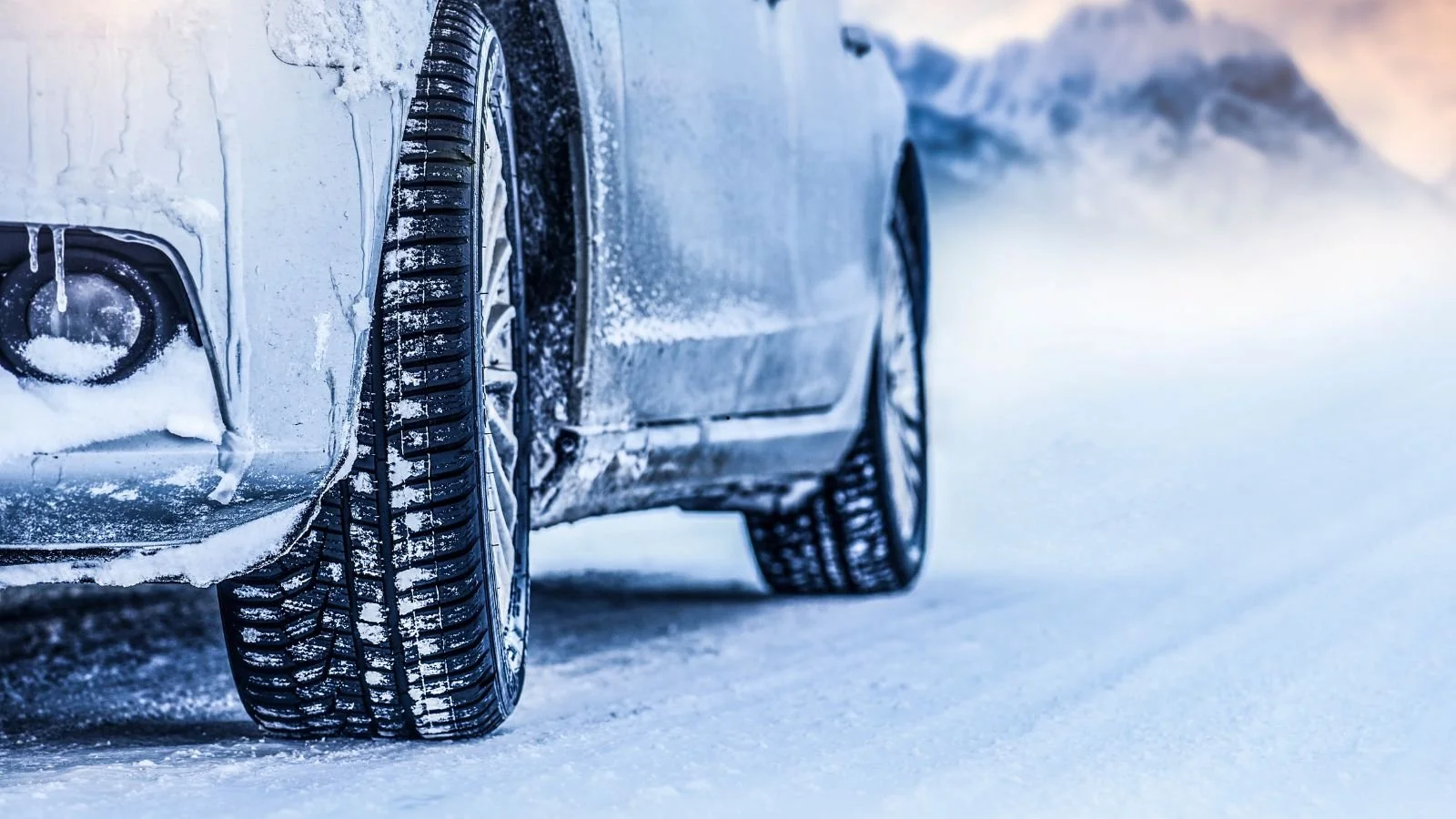
Winter tires on a performance car.
For economy or mid-range cars, downsizing within manufacturer-approved ranges is generally safe. However, performance vehicles are a different story.
Engineering Limitations of Performance Models
Performance trims (such as BMW M, Audi S/RS, Mercedes-AMG, Tesla Performance, etc.) are designed with specific wheel and tire combinations to support:
High-performance brakes: Larger rotors and calipers require bigger-diameter wheels for clearance. Downsizing can cause interference or even make smaller wheels impossible to mount.
Suspension geometry: Wheel size, offset, and tire profile affect handling balance and steering response. Downsizing too far alters factory-calibrated dynamics.
Load and speed ratings: OEM tires are chosen for structural strength at higher speeds and cornering forces. Narrower, lower-rated winter tires may not meet these demands.
Problems That Can Arise
If you downsize incorrectly, several issues may surface:
Brake Clearance Issues – Smaller rims may not physically fit over performance brake packages.
TPMS & ABS Malfunctions – Incorrect rolling diameter can confuse vehicle sensors, leading to warning lights or system malfunctions.
Handling and Stability Loss – Upset suspension tuning, excessive sidewall flex, or wrong offsets can reduce safety at highway speeds.
Accelerated Wear – Mismatched load or speed ratings can shorten tire life and strain driveline components.
Insurance and Liability Risks – In the event of an accident, improperly sized winter wheels may be cited as a contributing factor.
Warranty Considerations
Manufacturers often specify “approved” winter tire and rim packages in the owner’s manual or technical bulletins. Installing wheels or tires outside of those specifications can:
Void coverage on related components (suspension, steering, driveline).
Give manufacturers grounds to deny claims if the downsized setup is deemed a contributing factor in damage or failure.
Impact extended warranties or service contracts, which usually require adherence to OEM fitment guidelines.
For example, downsizing a Tesla Model 3 Performance from 20" factory wheels to an unapproved 18" setup could cause brake clearance issues and expose you to warranty disputes. Similarly, BMW M-series vehicles often prohibit downsizing beyond one inch due to brake and suspension design.
Best Practices for Winter Wheel Choices
Check OEM guidelines: Consult your owner’s manual or manufacturer’s tire fitment guide. Many brands list approved winter options.
Stay within safe diameter ranges: Generally, no more than a one-inch reduction is advisable, if permitted.
Maintain load and speed ratings: Winter tires should match or exceed the vehicle’s OEM requirements.
Confirm brake clearance: Physically test-fit rims before committing.
Use manufacturer-approved packages: Whenever possible, select winter wheels/tires specifically homologated for your model.
Final Thoughts
Downsizing rims for winter is a smart choice on many vehicles, but performance models demand extra caution. Improper downsizing can compromise safety, reduce handling precision, trigger sensor errors, and put your warranty at risk. Always verify with the manufacturer or a trusted tire professional before making changes—cutting corners on wheel fitment can cost far more than it saves.
